
Mold Clean Up Services in San Antonio
Safe, fast mold removal that fixes the moisture source so it doesn’t come back. Free inspection & quote: (210) 664-0770
Found Mold? We’ll Remove It and Stop It From Coming Back
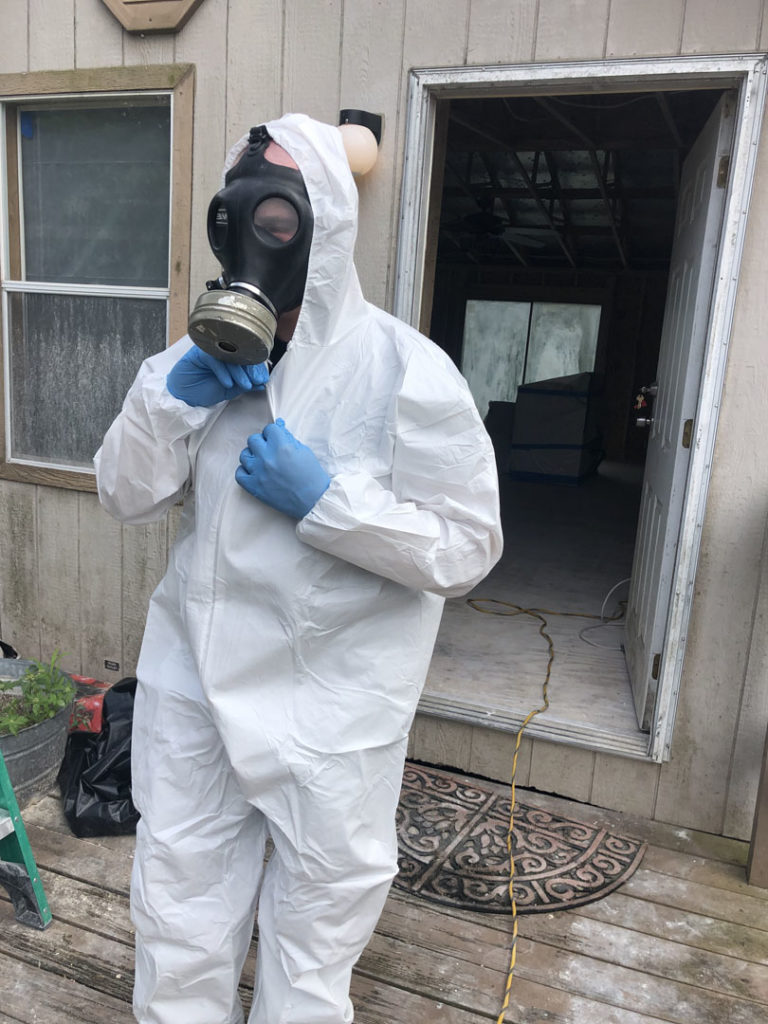
Mold spreads fast in San Antonio’s humidity, especially after a leak, roof damage or water damage. Our team finds the moisture source, removes the contamination safely, and dries the area so the problem is fixed for good.
- ✔️ Free inspection & quote
- ✔️ We fix the moisture source, not just the visible mold
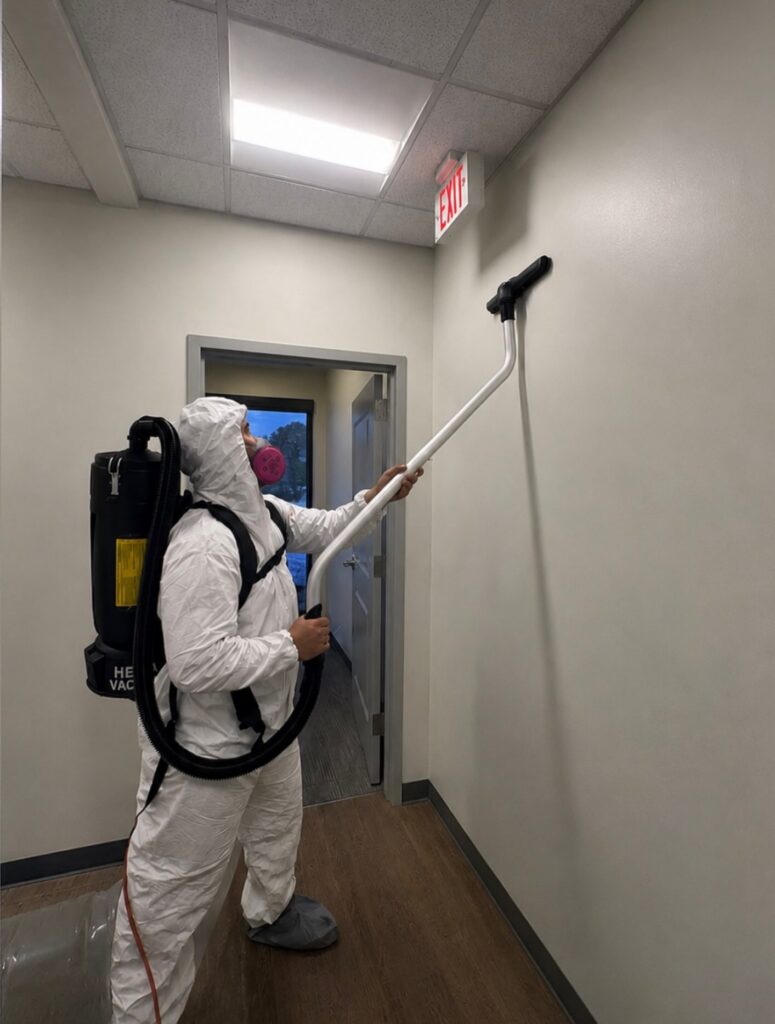
- ✔️ Containment & HEPA filtration protect the rest of your home
- ✔️ Local San Antonio team
Get a Free Quote
Signs You Need Mold Remediation
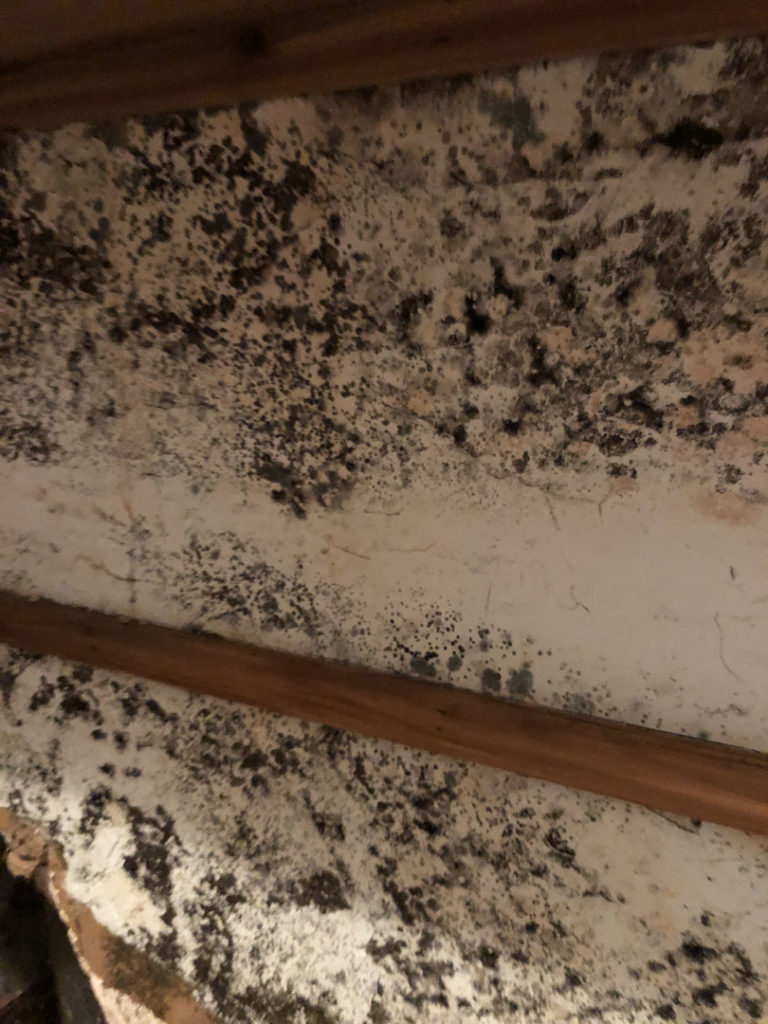
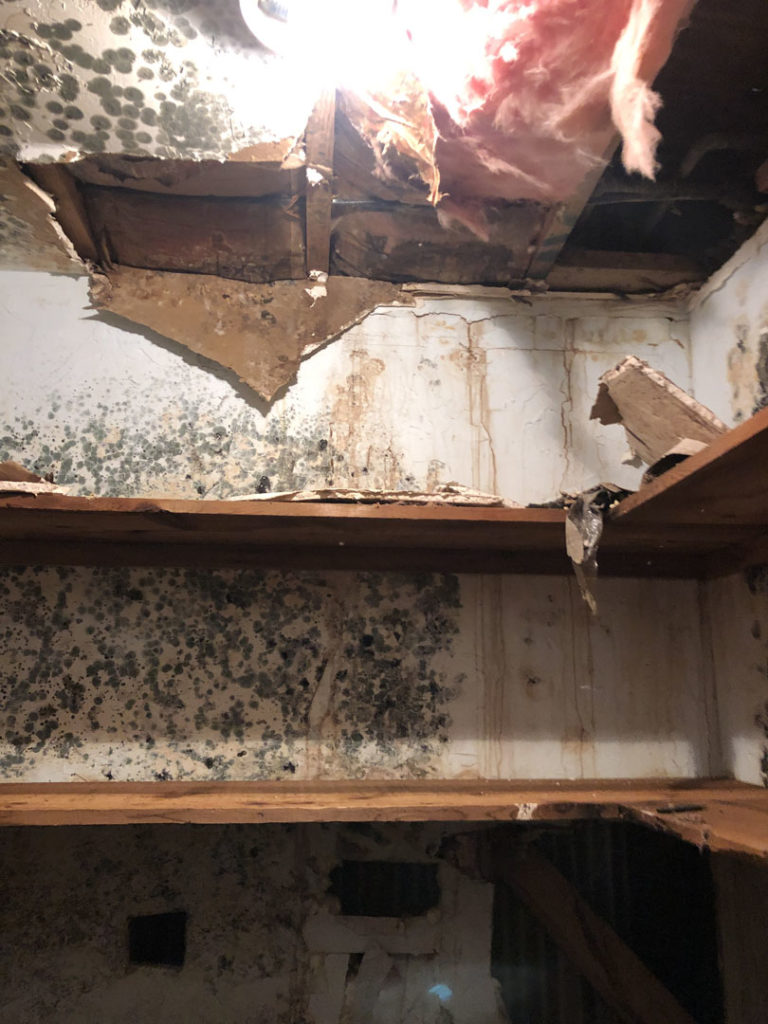
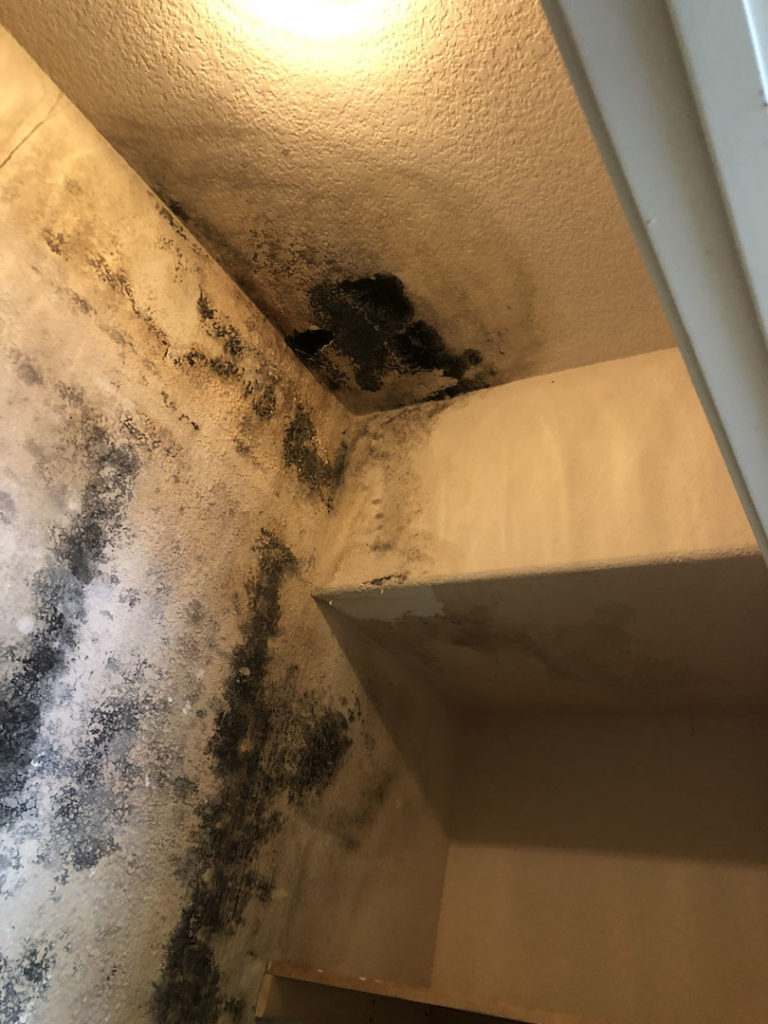
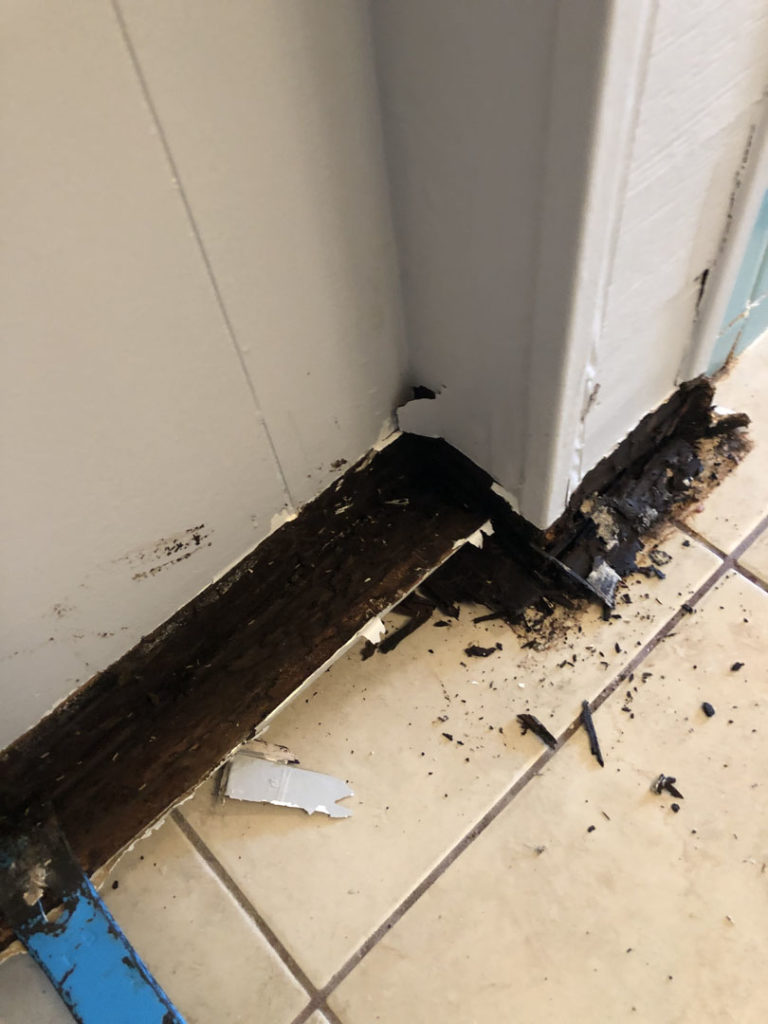
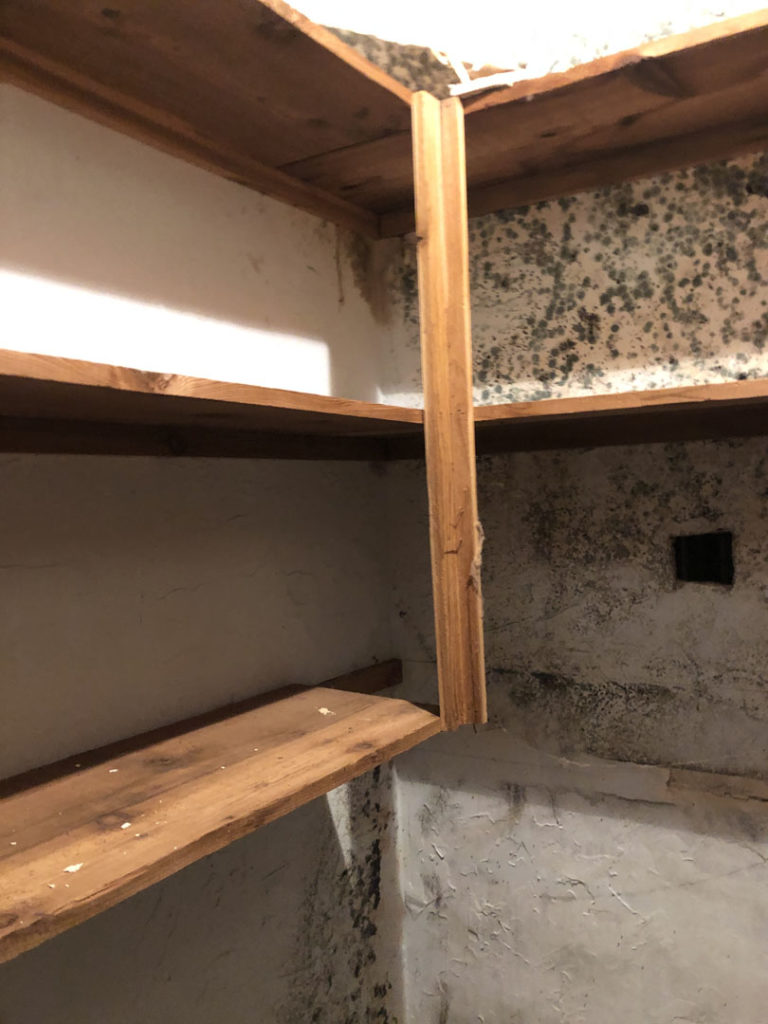
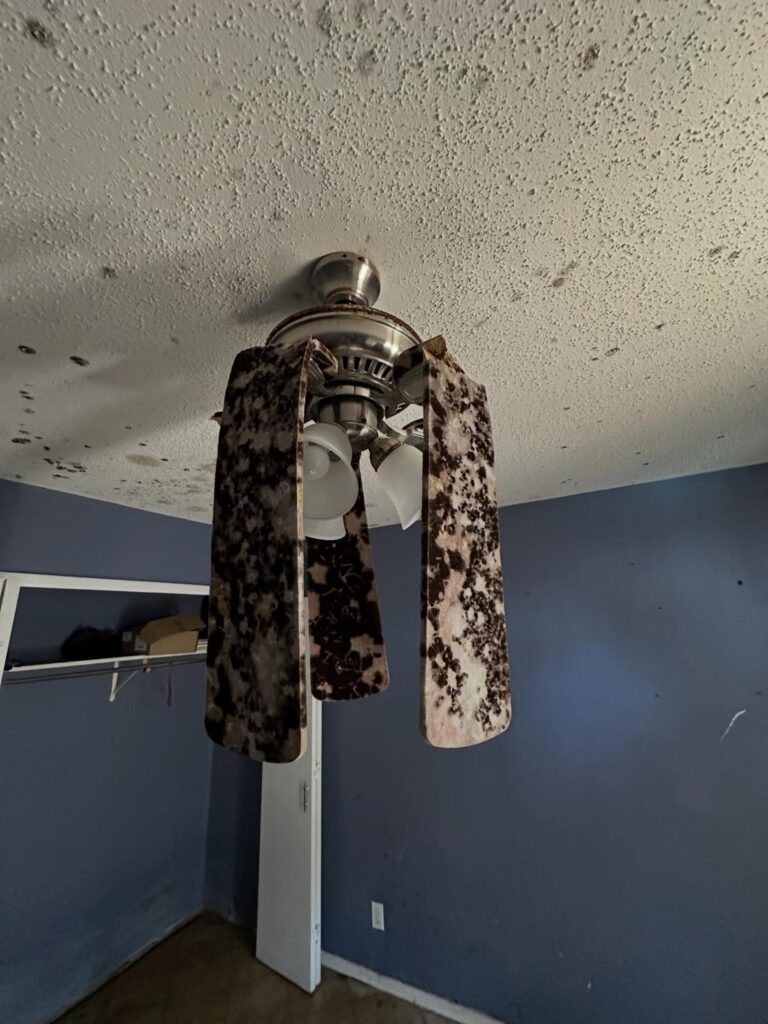
Mold often hides behind walls and cabinets. If you notice any of these, call us for an inspection. These photos are from our own mold jobs.
Our Mold Remediation Process
Every job is different, but every job follows the same five steps.
Recent Mold Remediation Jobs
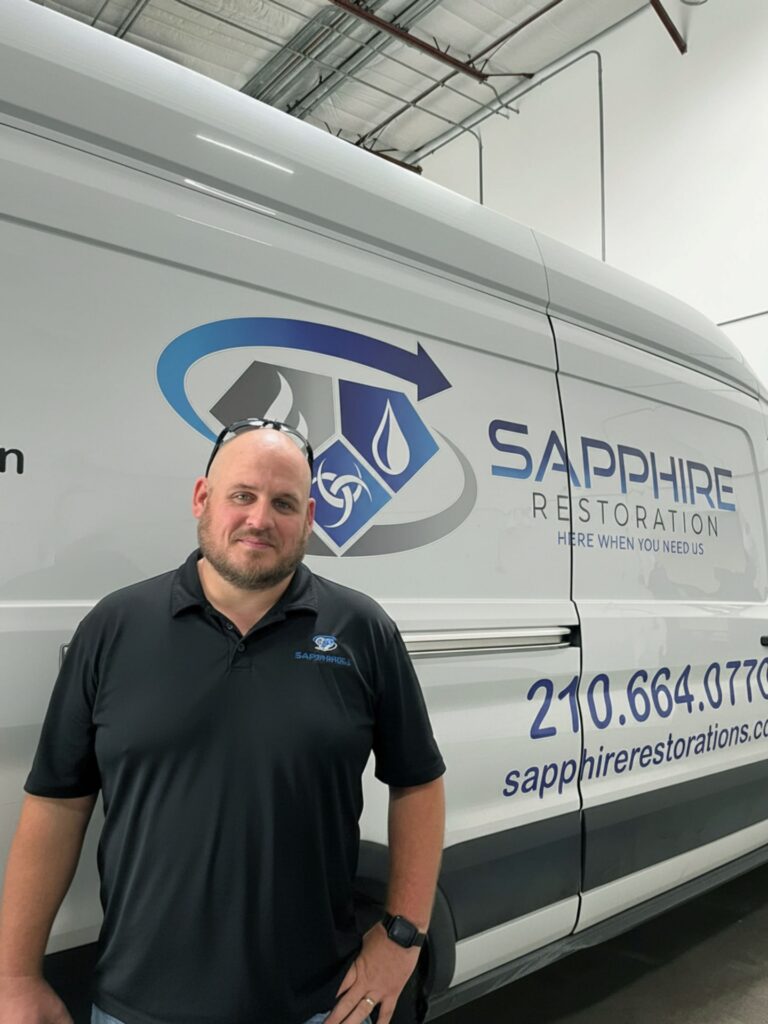
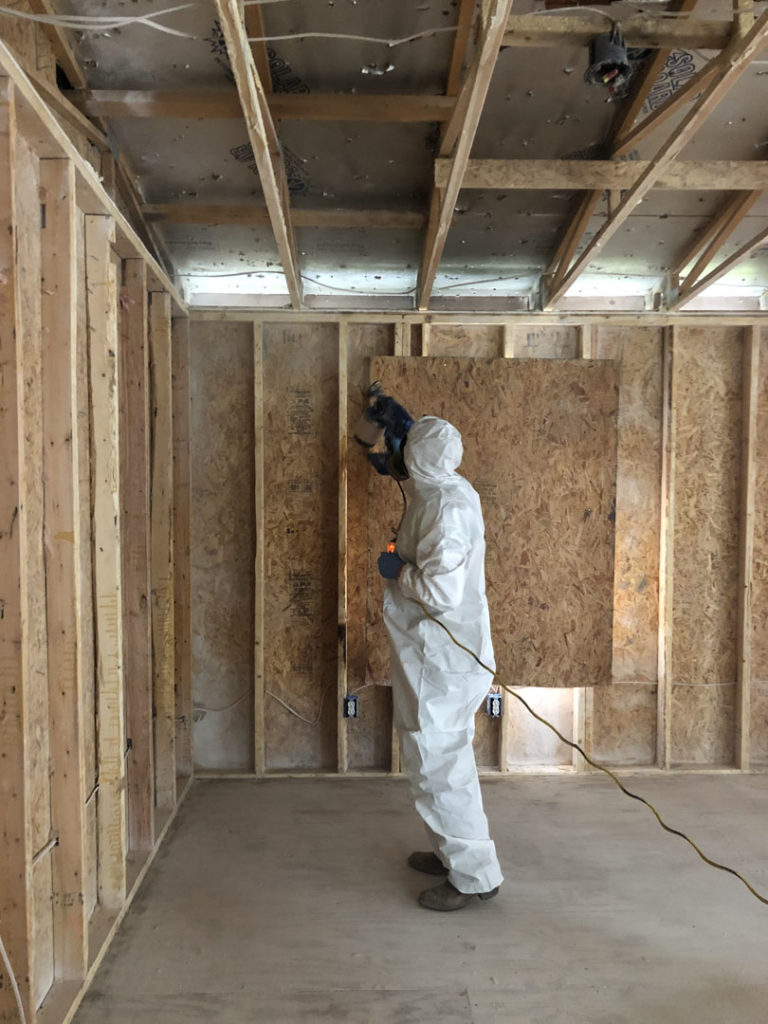
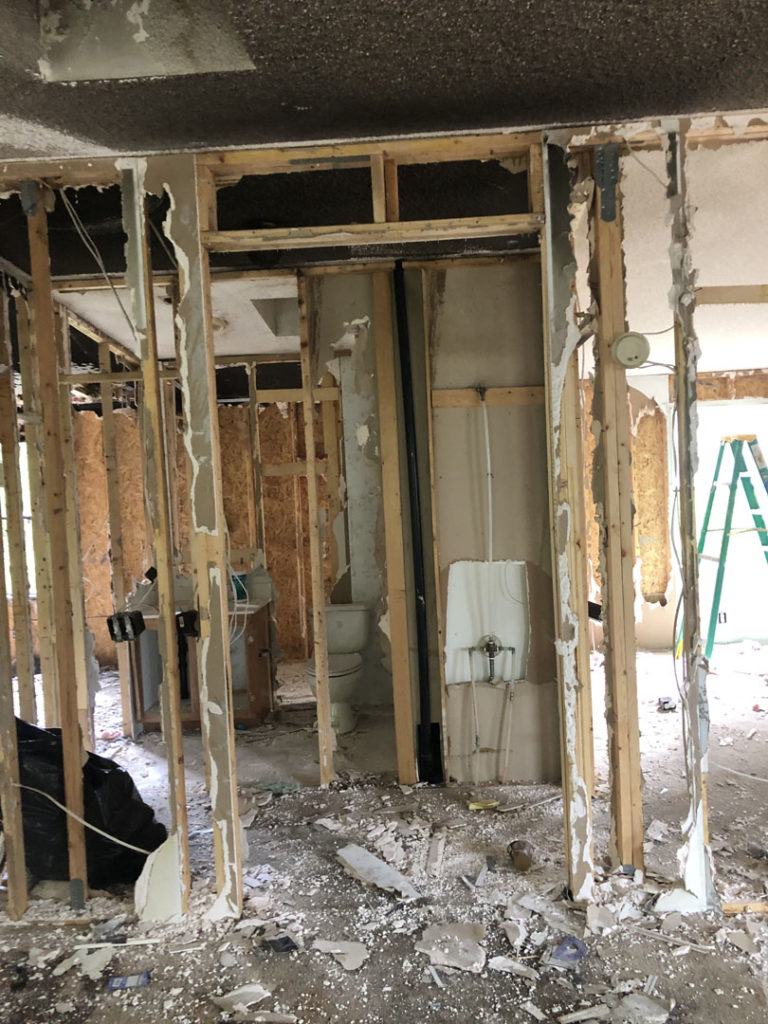
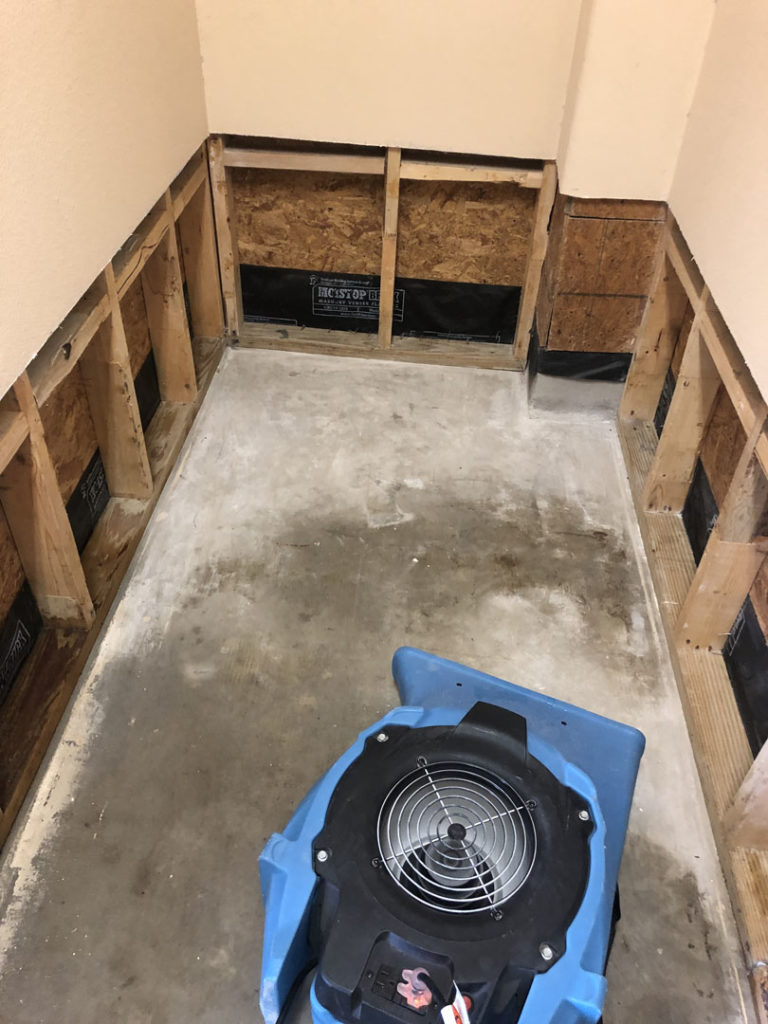
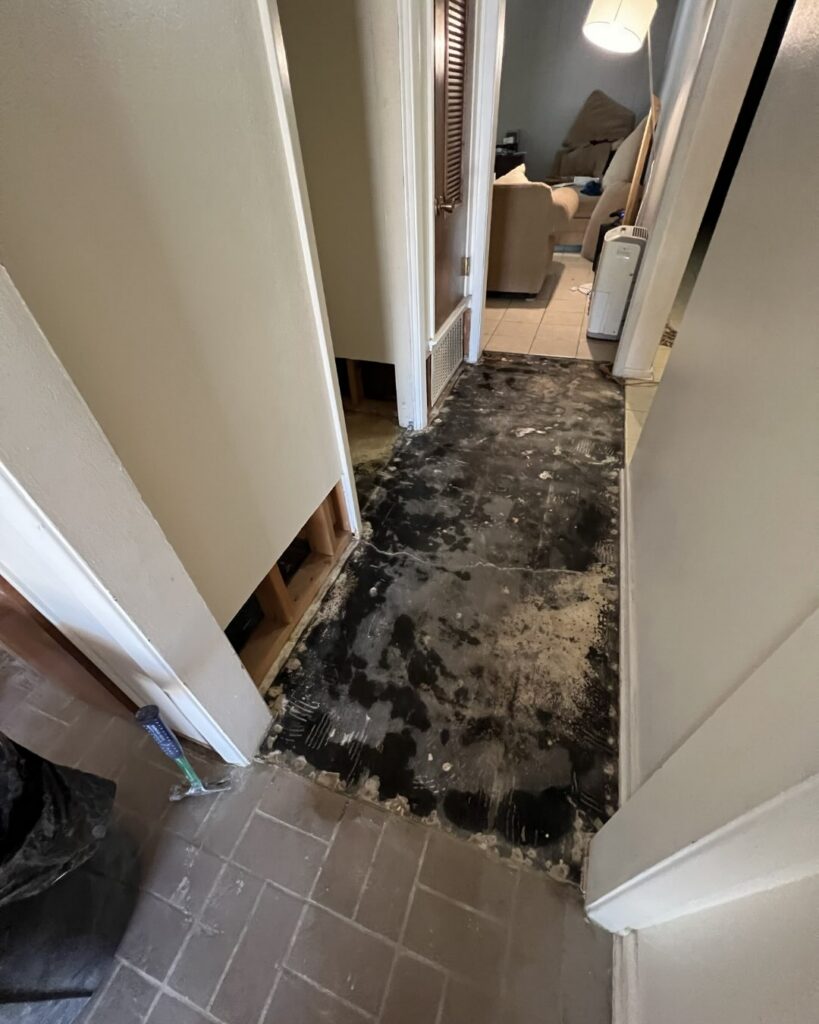
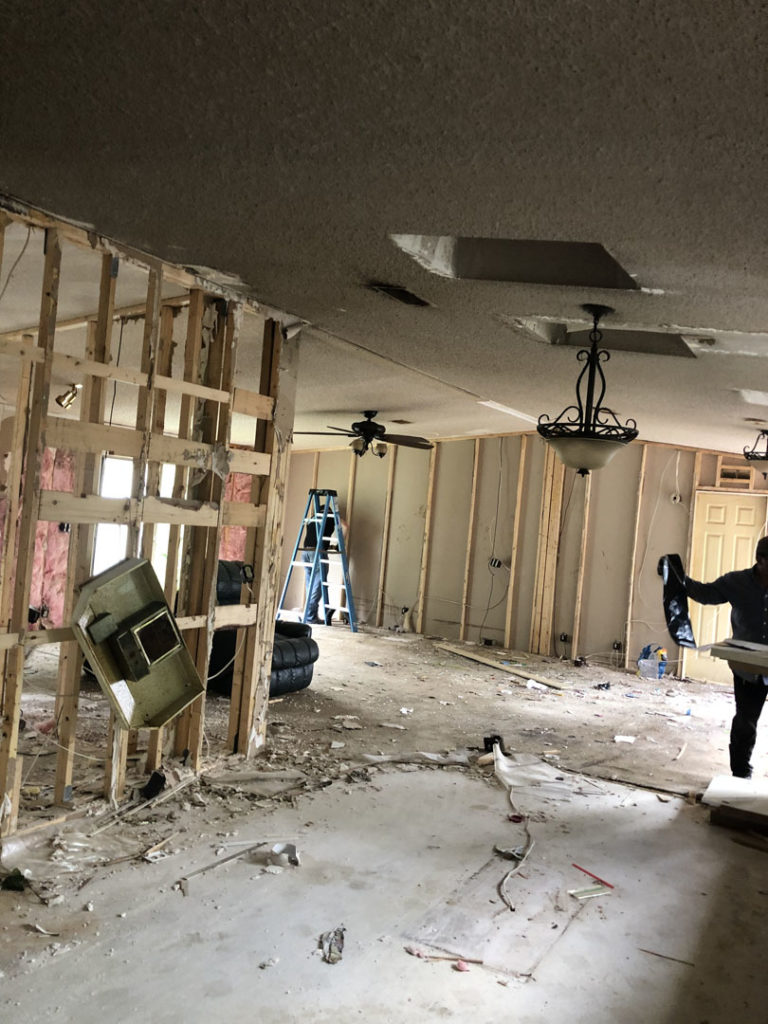
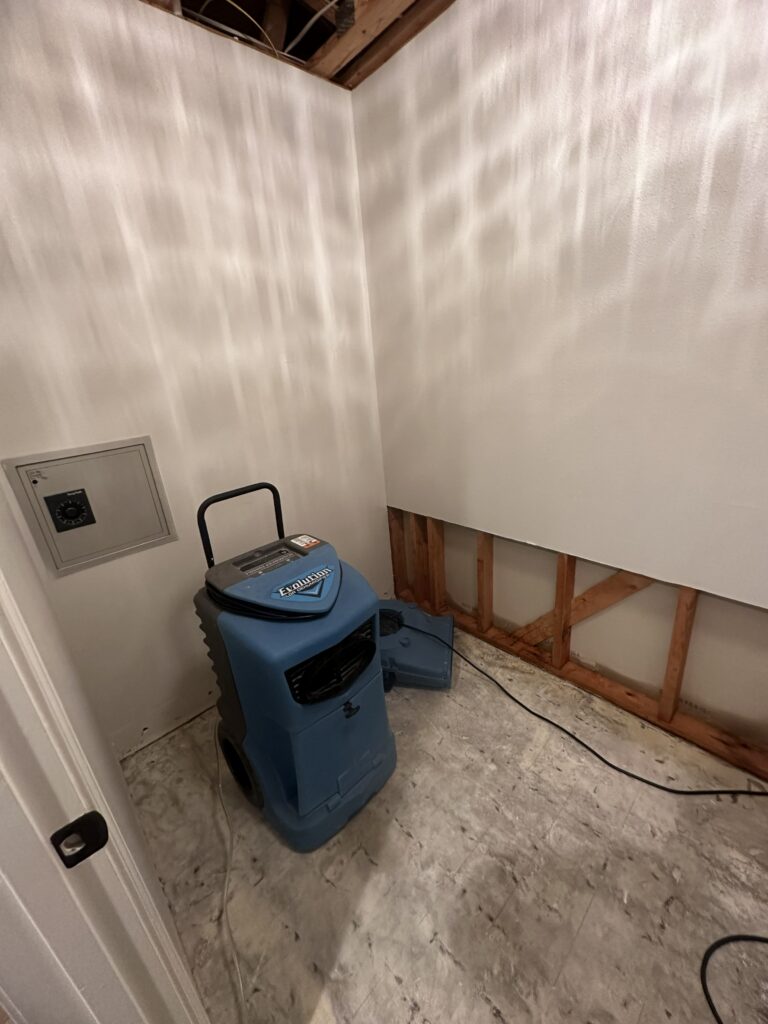
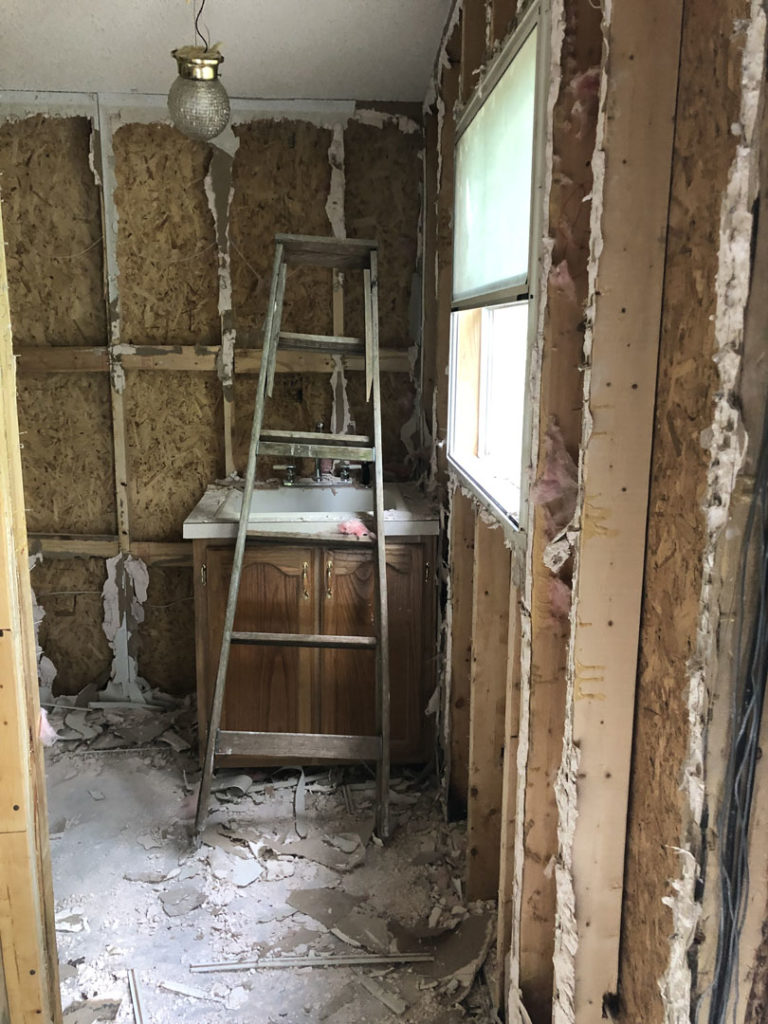
Real photos from Sapphire Restoration jobs, from discovery to tear-out and cleanup.
FAQs
How much does mold remediation cost in San Antonio?
It depends on the size of the affected area, how severe the contamination is and how much moisture damage there is. We’ll inspect and give you a free, accurate quote.
How long does mold remediation take?
Most jobs take one to several days. Larger projects with drywall removal or structural drying can take longer.
Can I clean mold myself?
Small surface spots, sometimes. Larger or hidden mold needs a professional; scrubbing it can spread spores and leaves the moisture problem in place.
Can mold come back after remediation?
Only if the moisture problem isn’t fixed. That’s why we find and address the leak, humidity or ventilation issue first.
Does homeowners insurance cover mold remediation?
It depends on the cause and your policy. Mold from sudden, accidental water damage may be covered; long-term maintenance issues usually aren’t. Check with your insurance provider.
Spotted mold or smell something musty? Call now for a free inspection and quote.
What Our Customers Say
-
Fantastic experience! I have never worked with a company that was more responsive, professional and courteous. As someone else said, they treat your home and your budget as if it was their own home and budget. Excellent service. If you need water or mold remediation, I absolutely recommend Sapphire Restoration and will use them without hesitation if we ever suffer another leak.

 S B
S B
-
We had Sapphire Restoration clean up the water damage after a leak in an interior wall. The company was quick to respond, give a quote and begin work. The work was professionally executed and the space was cleaned up neatly. Isaiah was knowledgeable about what needed to be done and he was very respectful with our property. I highly recommend this company.
 Gina Williamson
-
I couldn’t have been happier with the professionalism and friendliness of this company. They showed up quickly and explained in plain english what needed to be done and why it was important to get everything completely dry and protected against mold. I was impressed that he didn’t try to up-sell, use industry jargon to try and scare me or take advantage of my situation in any way! Awesome experience!
 hpesoj 88
-
Great work done and responded on time to messaging and coordinating for the repair. Had a some water damage repaired on my patio and it turned out great.
 Gerald Vollbrecht
-
Never fun to have water damage in a home. Sapphire responded to my call for help quickly and began work the next day to restore my water damaged kitchen. Work performed was second to none...other contractors commented on the well done restoration work and wanted Sapphire’s business card! Completed in a timely manner within the agreed upon budget. Strongly recommend this company for water restoration needs.
 Jeff Winney