
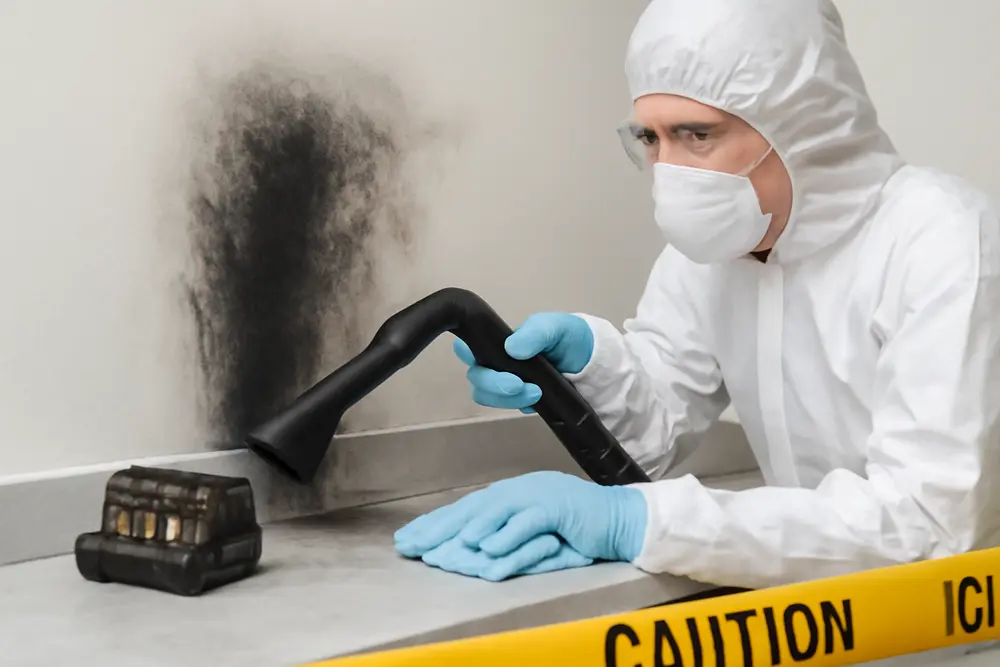
If you had a lithium-ion gadget go from useful to flamethrower, you already know these fires don’t act like normal kitchen mishaps. What you probably didn’t see is the chemical hangover they leave behind. Lithium-ion battery fire cleanup is not just soot, soap, and elbow grease. The real villains are hydrofluoric acid forming from the battery’s salts, ultrafine metal-laced soot that creeps into every vent and microcrack, and the unnerving chance of re-ignition from damaged cells. If you want your home to stop quietly corroding while you sleep, here’s how to handle the situation without turning it into a bigger mess.
Why Li-ion Fires Are Different
Most house fires are fueled by wood, plastics, or oils. Lithium-ion fires are fueled by chemistry that keeps reacting long after the flames die. Inside many packs and devices, the electrolyte uses lithium hexafluorophosphate, or LiPF6. When things overheat or burn, that salt breaks down and produces nasty gases like phosphorus pentafluoride, which teams up with moisture to make hydrofluoric acid. That acid is vicious. It sneaks past your normal defenses, etches glass, chews on metal, and keeps working whenever humidity shows up.
Then there’s the soot. It looks like familiar black dust, but it is smaller, sharper, and better at hitchhiking. We are talking particles often under 2.5 micrometers that can carry metals like nickel, cobalt, and manganese, plus fluoride ions. They float, ride your HVAC, and hide in places your vacuum only dreams about reaching. Top it off with the delayed thermal shenanigans of damaged cells that can self-heat and light up again, and you have a cleanup job that rewards method and punishes shortcuts.
HF: What It Is And Why It Shows Up
Let’s translate the battery chemistry into plain English. LiPF6 inside the battery does two nasty things during overheating or fire. First, it decomposes and kicks off phosphorus pentafluoride and other fluorinated compounds. Second, those react with moisture in the air to form hydrofluoric acid, along with compounds like phosphoryl fluoride. HF behaves like a gas and a liquid acid depending on conditions. Either way, it loves stealing calcium and magnesium from surfaces and living tissue, which is exactly as bad as it sounds. On buildings, HF fogs glass, stains and pits stainless steel, oxidizes copper, and accelerates corrosion anywhere humidity lingers. On people, even small exposures can burn skin and irritate eyes and lungs.
That’s why you cannot treat a battery fire like a toaster fire. The residues do not just smell bad. They are chemically active and they do not stop when you turn on a fan. If you had visible smoke, you had invisible chemistry riding along with it.
Invisible Damage You Will Miss If You Rush
One of the most frustrating parts of lithium-ion battery fire cleanup is that what you see is not what you get. Even rooms that did not burn can corrode. There is a documented case from Newfoundland where a tool battery fire threw off soot and acidic byproducts that later corroded an electrical panel and metal surfaces that never saw open flame. Moisture makes this worse by reactivating fluoride residues. If you wipe a hand across a counter and call it done, you could be setting yourself up for months of slow metal decay, glass etching, and recurring odors that scream: you missed something.
Electronics take a beating from this chemistry too. Copper traces, solder joints, and connectors can get attacked by acidic films. The device works today and fails next week. Soft furnishings, painted finishes, and stone can trap residues and keep releasing irritants whenever the humidity climbs. If you are not testing for acidity and verifying that residues are neutralized, you are guessing. Guessing is expensive.
Re-ignition: The Sequel Nobody Wants
Put a circle around this: thermal runaway does not care that you sprayed, dunked, or smothered the flames. Damaged cells can go into self-heating later and light back up hours or days down the road. This is not a rumor. It is how lithium-ion chemistries behave when separators are compromised or internal shorts happen. If you keep the remains of the pack in your garage or laundry room because it looked cool and quiet, you may be storing a time bomb. Professionals isolate and monitor fire-damaged packs, and they plan for the ugly possibility that round two shows up uninvited.
Case In Point: Corrosion Without Flames
That Newfoundland incident is the kind of story restoration pros swap like old fishing tales, except this one comes with lab-backed lessons. A DeWalt battery fire was put out. Soot drifted. Days later, corrosion showed up on metal that was nowhere near the flames. Panels looked toasted but not torched. The culprit was the fluoride-laced residue and humidity doing chemistry on the quiet. Cleaning just the obvious soot was never enough. If your cleanup plan stops at a quick wipe and an air freshener, you are budgeting for replacement parts later.
First Moves That Make You Safer
Start with air. Get windows and doors open if it is safe to do so. Shut off power in the affected zone if wiring or panels were exposed to heat or corrosive smoke. If any part of the battery remains is still warm or smoking, get it outside away from the building and anything combustible. Do not store it on concrete where runoff can carry acids into cracks. Set it on a non-reactive surface like a metal tray. If the pack is large, cracked, or hissing, keep your distance and call the fire department back for guidance. This is the moment to respect the re-ignition risk and avoid hero moves.
If you must step into the area, suit up for chemistry, not just smell. That means chemical-resistant gloves like nitrile, eye protection, and a full-face respirator with acid gas and particulate cartridges. A dust mask is not built for HF or ultrafine soot. If you do not have the right gear or training, close the space off and wait for pros who do. It is better to pause than to spread contamination through the rest of your home and into your lungs.
Soot, Acids, And What To Clean First
Dry sweeping or brushing is a rookie mistake. It launches toxic particles back into the air so you can breathe them deeper. Start with controlled removal. HEPA vacuuming of dry loose residues can capture submicron particles better than your average shop vac. Follow with wet methods that keep residues contained, not smeared around. Think damp wiping with disposable wipes or microfiber dampened in a cleaner that does not react badly with acids. Bag everything you use and keep it out of living areas.
Testing is not optional. pH test strips on dampened swabs or wipes can tell you whether a surface is acidic after the first pass. Electronics, metal finishes, and stone deserve special attention. If your tests come up acidic, a professional-grade alkaline cleaner may be used to neutralize residues, but this should be guided by someone who understands material compatibility. You do not want to fix acid damage by stripping finishes or ghosting metals with the wrong product.
Do’s And Don’ts You Will Thank Yourself For
| Phase | Do | Don’t |
|---|---|---|
| Initial Response | Ventilate. Isolate the area. Kill power if wiring or panels were exposed. Wear nitrile gloves, eye protection, and a full-face respirator rated for acid gases and particulates. | Do not hang out in a smoky room without protection. Do not store a damaged pack indoors. Do not assume CO2 or dry chem alone solved internal cell heat. |
| Residue Removal | Use HEPA vacuuming to capture fine soot. Wet-wipe to keep dust down. Test for acidity as you go and document results. | Do not dry sweep. Do not spray water blindly, especially into cavities, where acidic runoff can migrate and attack hidden materials. |
| Professional Steps | Isolate and containerize the destroyed battery for proper disposal. Clean and inspect HVAC ducts. Evaluate electronics and electrical panels for corrosion. | Do not reuse heat or smoke-exposed devices without inspection. Do not skip monitoring for re-ignition on compromised cells. |
What Pros Do That DIY Can’t
There is a reason restoration techs show up with respirators that look like they came off a sci-fi set. We are not just chasing odors. We are hunting corrosive chemistry and ultrafine debris. A professional team will stabilize the scene first, isolate the battery remains, and arrange disposal through a hazardous waste pathway that keeps it out of your garage. We test pH on metals, finishes, and stone, then choose cleaning agents that neutralize acids without erasing your countertops or fogging your oven door. We use negative air machines to keep contaminated air from wandering through the house and run HEPA air scrubbers that catch particles your regular filters sneeze at.
HVAC systems get special attention. Soot carried by supply and return air can settle in ducts, on coils, and in plenums. If you do not address that, every time your unit kicks on, it re-seeds the house with irritation and corrosion potential. Proper duct cleaning, filter upgrades, and coil cleaning stop the reruns. Where electronics and appliances are concerned, we partner with qualified evaluators because a device that powers on today can fail tomorrow once corrosion eats a trace line you cannot see.
Neutralizing Without Wrecking Your Stuff
Neutralization is where many DIY plans go to die. Yes, alkaline cleaners can counteract acidic residues, but you need the right product on the right surface in the right sequence. Stainless steel will not react like aluminum. Natural stone will not react like epoxy coatings. Glass can be etched by HF and never look right again if the attack goes too deep. On top of that, rinsing methods matter because you do not want to push acidic or alkaline runoff into wall cavities or subfloors. Professionals test, clean, test again, then protect. If a surface still reads acidic after the first pass, we repeat with adjusted dwell times or different media until pH is back to normal and corrosion is no longer being fed by moisture.
Electronics, Wiring, And Panels
Anything with copper deserves suspicion after a lithium-ion fire. That includes panels, breakers, light switches, appliance boards, and low-voltage gear. Even a fine residue film can start creeping corrosion. Visual inspection is not enough. We recommend evaluation by licensed electricians for service equipment and by qualified electronics specialists for devices with boards and connectors. If measured corrosion is present or if residues were heavy, replacement ends up cheaper than intermittent failures and insurance claims later. Keep in mind that cleaning attempts on energized gear are a safety risk. De-energize, inspect, and only re-energize once corrosion risk is addressed.
Handling The Battery Remains Safely
That warped pack or scorched tool battery is not a souvenir. Isolate it in a non-combustible, ventilated container away from the building. Do not tape, crush, or dissect the pack. Contact your local hazardous waste program for drop-off instructions or coordinate through your restoration team. For large-format batteries or e-bike packs, get guidance from your fire department or municipal waste authority. If the pack hisses, vents, or warms back up, move away and call the fire department. Re-ignition is not a myth with these chemistries.
When Should You Call A Pro?
Here is the quick sniff test. If flames involved any lithium-ion device bigger than a phone, if you see corrosion or etching on glass or metals, if HVAC ran while smoke was present, if electronics were exposed, or if anyone experienced eye or respiratory irritation after the fire, call a restoration company with chemical residue experience. If you do not have full-face respiratory protection rated for acid gases, that is another sign to stop and bring in help. And if you are staring at a battery pack that looks like it came out of a volcano, do not play battery whisperer. Get it out of the building perimeter and call for assistance.
Prevention That Actually Works
Most battery fires do not happen out of nowhere. They start with damage, misuse, bad charging habits, or low-quality gear. Stick with UL-listed or similarly certified devices and chargers. Retire puffy, cracked, or water-exposed batteries like yesterday. Do not charge on couches, beds, or under pillows. Give devices space while charging and avoid cheap knockoff chargers that think voltage limits are a suggestion. Store spare packs in a cool, dry area in fire-resistant containers, not in a sunny car or on a radiator. Install smoke and heat detection near charging zones and keep chargers off smart plugs that reboot power repeatedly. Moisture matters too. High humidity accelerates acid corrosion, so fix leaks, control indoor humidity, and use dehumidification where needed.
What About The Smell That Will Not Quit?
That stubborn odor is chemistry baked into pores, fibers, and microcracks. Cover scents will not handle it. Proper removal means physically capturing soot, neutralizing acids, and cleaning HVAC pathways. In some cases, we use targeted sorbents, sealers, or controlled hydroxyl or ozone treatments after the hard cleaning is complete. Odor control follows cleanup, not the other way around. Skip that order and you will be chasing phantom smells for months.
Insurance, Documentation, And Getting Paid Back
Do yourself a favor and document everything from minute one. Photos of the device, the room, any visible corrosion, and your cleanup attempts help adjusters understand this is not a simple soot wipe-down. Keep test results for pH checks, HVAC cleaning records, and any electronics inspections. Make and model of the failed device matters too, especially if a recall exists. When adjusters see hydrofluoric acid residue risks noted, plus evidence of corrosion or HVAC spread, they understand why professional decontamination beats a quick maid service.
FAQ: Fast Answers To Hot Questions
Is hydrofluoric acid really a thing in home battery fires?
Yes. LiPF6 in many lithium-ion batteries can decompose during overheating or fire and form HF through reactions with moisture. You will not always smell it, but you will see what it does to glass and metal if you do not neutralize it properly.
Can I clean this up with household cleaners?
You can start with controlled HEPA vacuuming and damp wiping, but neutralizing acidic residues without damaging surfaces is tricky. Many household cleaners are not designed for acid-laced soot. If metals, glass, or electronics were exposed, bring in a restoration pro who can test and choose compatible cleaners.
How worried should I be about re-ignition?
Worried enough to isolate damaged packs outside and monitor. Damaged cells can self-heat and reignite hours or days later. If a pack is swollen, hissing, warm, or cracked, do not keep it indoors while you figure things out.
Do I need to clean my ducts if the smoke was just in one room?
Probably. Ultrafine soot travels fast and settles in return paths. If the HVAC was running, you should plan on duct cleaning, coil cleaning, and filter upgrades, or you will re-spread contaminants every time the system runs.
Will insurance cover lithium-ion battery fire cleanup?
Policies vary, but plenty of carriers cover resulting smoke and fire damage. Document the source device, the spread of residues, pH findings, and any corrosion. The stronger your documentation, the smoother the claim.
What The Science And Field Work Agree On
Independent testing and industry experience say the same thing. Lithium-ion fire residues carry acids and ultrafine metals that corrode and irritate. Case studies have shown corrosion in areas nowhere near the actual flames. Safety experts warn about delayed re-ignition from damaged cells. Clean air, controlled removal, pH testing, and professional neutralization are not overkill. They are how you stop invisible damage from turning into expensive replacements.
If you want a one-line filter for any advice you hear: if it ignores hydrofluoric acid and ultrafine soot, it is not lithium-ion battery fire cleanup. It is just wishful thinking. Handle the chemistry, and your home stops quietly dissolving in the background.
Helpful resources on the science and risks behind lithium-ion battery fires and cleanup are available through technical safety organizations and industry research. For background on electrolyte breakdown and HF formation, see industry primers on LiPF6 safety. For corrosion and soot behavior in real incidents, review case studies from restoration and recycling sectors. For re-ignition risk guidance and suppression limits, consult battery safety engineering advisories.