
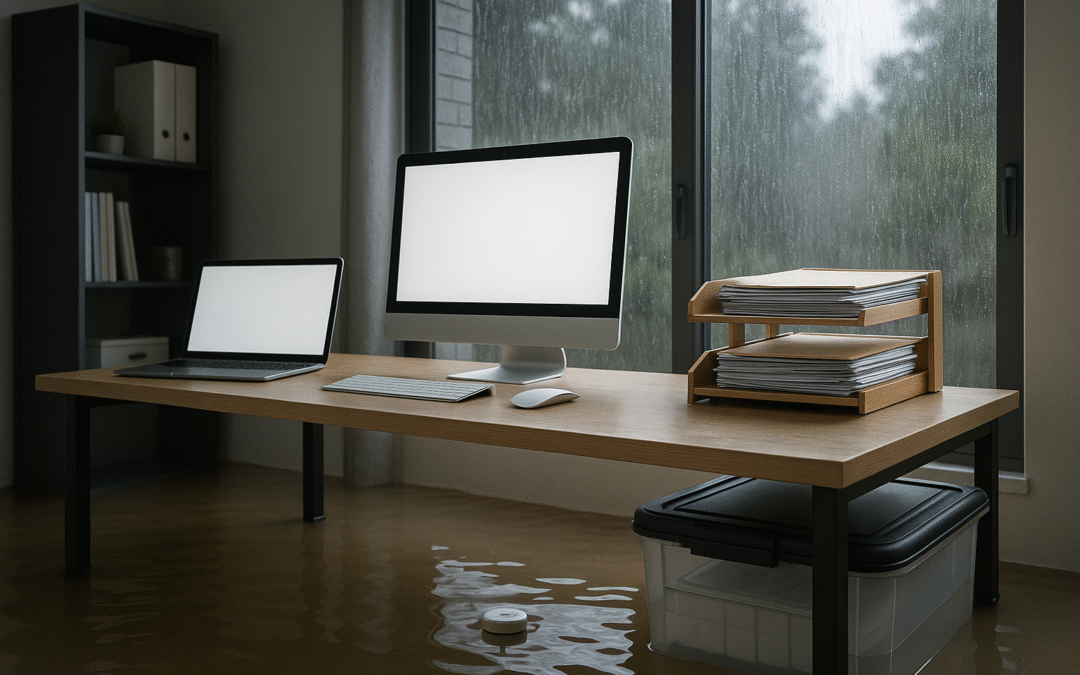
With more professionals working from home than ever before, our home offices now double as business hubs. Yet many owners rarely consider how water damage can disrupt productivity or wipe out essential files and irreplaceable electronics. A sudden leak, heavy storm, or overlooked plumbing issue could destroy years of digital work or personal treasures. In this article, you will find proven ways to protect your workspace from unexpected water exposure. Learn how regular maintenance, thoughtful storage, and proper planning will keep your computers, documents, and furniture safe from harm. Discover practical advice crafted for home office settings, from preventive steps to claims support.
Routine Checks for Plumbing and Leaks
Water damage in any workspace often starts unseen. Even small leaks can soak into drywall, pool under baseboards, or slowly damage flooring. Schedule regular checks on exposed plumbing, sinks, and water-run appliances throughout your house. You want your office protected at the source, so look for any signs of dampness, faded patches on walls, or trace amounts of mold. Pay attention to unusual odors or soft spots on floors as well. These early indicators help stop problems before they become disasters.
If your home is older, consider the material makeup of pipes throughout the property. Galvanized steel and other outdated systems can corrode more quickly and spring hidden leaks. Upgrading to modern piping pays off long-term. Invest in proper insulation for pipes in exposed or cold spaces. Frozen pipes do not only occur in basements, any unheated part of the house can pose a threat during winter. Insulation helps prevent sudden bursts that can send gallons of water into your office with no warning.
Roof and Ceiling Attention to Prevent Water Intrusion
The roof protects not only your house but your workspace below. After storms or strong winds, scan for loose shingles, damaged flashing, or blockages that could result in leak paths. Even a minor roofing flaw can, over time, create costly repairs to electronics and paperwork in the office beneath. Schedule professional roof inspections at least twice a year to check for hidden issues.
Clogged gutters and downspouts also contribute to water building up on your roof or against exterior walls. Rainwater, when not diverted away, will find a path inside. Clean out gutters at the start of each rainy season and after heavy storms to remove leaves or debris. Position all downspouts to carry water away from your foundation and the vicinity of your office windows. This practice helps stop water from seeping directly into the work environment.
If you notice discoloration on the ceiling or bubbling paint, act immediately. These are warning signs that demand fast repairs rather than patchwork solutions. Unchecked roof leaks can ruin entire office set-ups and create conditions for mold in hidden spaces.
Protection Through Appliance and Equipment Oversight
Your home office likely relies on nearby appliances that use water. Hot water heaters, dishwashers, ice makers, and even your HVAC humidifier all represent risk points. Unexpected leaks or breakdowns can send water rushing into critical storage areas or under desks. Regularly move these appliances slightly to inspect the floor underneath for dampness or softening. Replacing hoses, filters, and gaskets at manufacturer-recommended intervals reduces the odds of sudden malfunctions.
Consider setting up automatic leak detection devices beneath sinks, behind refrigerators, or near water heaters. The latest water sensors send instant notifications to your phone, buying you precious time to react if problems arise during your workday or while you are away. Some systems can even automatically shut off water at the main valve, which gives another level of protection for costly office technology and records.
Keeping Humidity and Moisture Under Control
Humidity in the home does more than fog up windows. Persistent excess moisture can warp desks, chairs, and flooring. It also encourages mold to form on documents and cabling under your work area. Bathrooms and kitchens often share walls or airspace with offices. Without proper exhaust, steam may linger much longer than expected after a shower or while cooking.
Run exhaust fans any time water is in use near your office. Include an additional fan or dehumidifier in the workspace itself if you live in a climate known for muggy summers or have limited air circulation. Attics and crawl spaces above or below your office can collect trapped air as well. Good ventilation in these spaces dries out the environment and helps regulate indoor moisture.
Sealing windows and regularly inspecting exterior doors with weather-stripping stops water from leaking in during storms. Even small gaps can lead to surprisingly large puddles during sustained heavy rainfall.
Smart Storage for Documents and Devices
No workspace is prepared for water accidents without secure storage habits. Start with a clear separation of essential and non-essential items. Keep legal files, signed contracts, insurance paperwork, and personal records inside waterproof, fire-rated containers. This helps shield irreplaceable documents from unexpected leaks, minor office spills, or emergencies. Consider investing in containers that resist moisture and fire for extra protection.
Even basic office organization can reduce exposure risk. Elevate boxes, electronics, and files at least a foot off the ground, especially in basements or on lower levels. Position file cabinets and sensitive electronics away from residential plumbing or exterior walls that experience condensation. Portable hard drives, SSDs, and USB sticks with backups should stay in moisture-resistant bags or cases for added peace of mind.
Using Technology to Detect Water Early
Rapid detection remains one of your greatest defenses against office water problems. Install water and moisture alarms in key areas near the home office, especially close to sinks, windows, or appliances that use water. Focus on entry points where leaks are most likely or where rainwater has collected before.
Modern sensors allow remote monitoring through your smartphone. This technology triggers real-time alerts if moisture levels rise unexpectedly. You can then address the situation quickly before major harm impacts electronics, cables, or paper assets. If you travel regularly or periods away from home are common, these solutions are especially helpful.
Everyday Practices to Reduce Water Risks
Small lifestyle changes deliver big results in home office water protection. Use spill-proof mugs and water bottles near your workspace to reduce chances of knocking over drinks onto laptops or important paperwork. Allow only drinks on surfaces not shared with sensitive electrical equipment or file storage.
Beverage stations set away from computer stations give an added margin of safety. Choose containers with secure lids and make a habit of clearing liquid containers at the end of every workday.
Maintain cords and devices positioned off the ground wherever practical. Loop computer cords or surge protectors above the floor and away from likely foot-traffic zones to limit exposure to any surprise puddles.
Insurance Planning for Office Water Incidents
Do not rely solely on physical precautions. Your financial safety net depends on having the right insurance policy in place. Many homeowners policies specifically exclude business use or certain categories of equipment. Meet with your agent to clarify if your office gear, electronics, and files carry appropriate coverage in the event of water-related loss. See if special endorsements or riders are available for high-value equipment or rare collections stored in your workspace.
Maintain a digital and printed inventory of all office items, including receipts, serial numbers, and photographs. Update inventories regularly as you add or replace technology or furnishings. This habit can help with smooth claims processing after an incident. Store backup copies of any digital files offsite or in the cloud whenever possible for the fastest recovery.
Long-Term Strategies for Office Safety
Approach home office water protection as more than a single task. Treat it as a cycle of routine maintenance and preparedness. Set reminders to check gutters, test detection alarms, and review insurance documents as seasons change. Solicit regular feedback from everyone using the workspace on new hazards or opportunities for better safety.
If any part of your office sits below ground level, consider installing a sump pump or French drain system. Preventing seepage from below can halt long-term problems with mold and dampness that affect air quality and productivity. Landscaping adjustments near your foundation channel water away from entry points and reduce standing water in heavy rains.
Consult restoration professionals such as Sapphire Restorations for detailed assessments if you suspect lingering risks to your setup. Routine professional checks complement your daily checks for complete coverage.
Responding to Office Water Damage Quickly
Quick action makes a major difference in water emergencies. The moment you notice any water pooling or seeping into your home office, switch off all electrical sources before approaching the affected area. Move electronics and paper assets to dry spots. Open windows to introduce airflow and use fans to speed up drying. If you have portable dehumidifiers, deploy them immediately.
Do not delay calling in restoration experts if soaked carpets, drywall, or floors remain saturated despite your efforts. These professionals bring specialized tools for effective drying and mold prevention. Acting same-day reduces structural harm and lowers restoration costs.
Safeguard Productivity with Thoughtful Planning
Water damage can wreak havoc on a workspace. By taking proactive steps, assessing and maintaining your plumbing, roof, and electronics, updating storage solutions, and investing in modern detection tools, you limit risks dramatically. Review your insurance to cover gaps before they become costly. Smart planning keeps your office secure, technology dry, and business running smoothly, regardless of what nature or coincidence sends your way.