
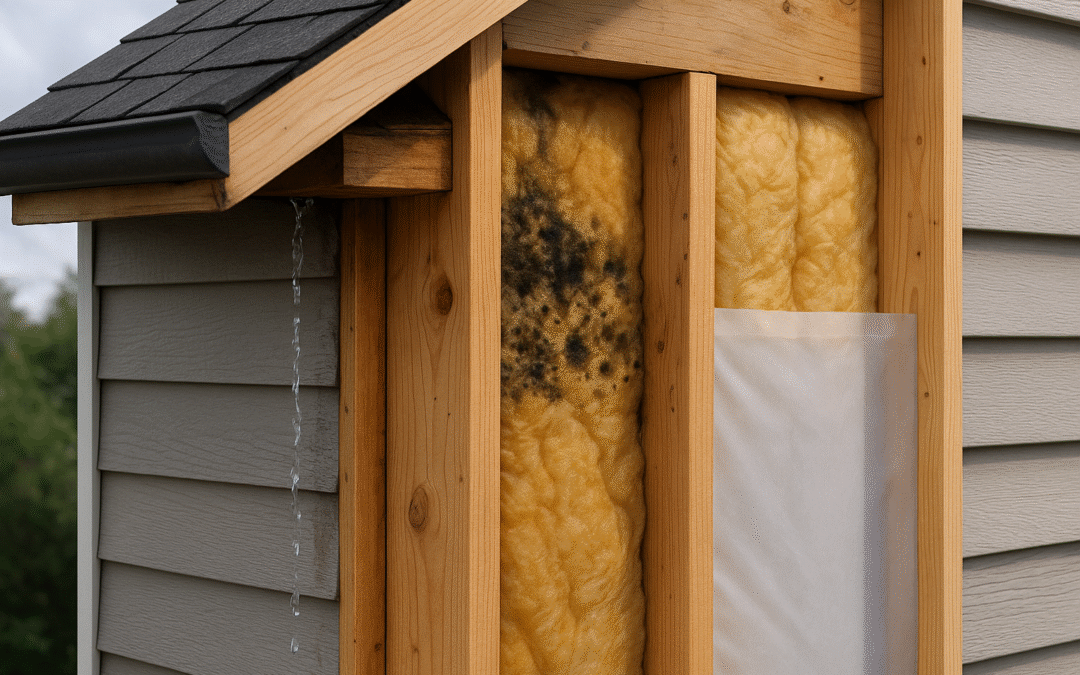
Maintaining a healthy, efficient home demands special attention to one critical, but often hidden, feature: your insulation. When water finds its way in, insulation can suffer quietly behind walls, ceilings, and floors, turning into a breeding ground for mold that threatens your family’s health. Water damage also ruins the material’s ability to regulate temperature, driving up energy bills. Knowing how water sneaks in, what warning signs to watch for, and how to keep insulation protected transforms your living space into a safer, more comfortable retreat.
Why Water Damaged Insulation Is a Silent Threat
Insulation acts as the unsung hero in every home. It traps warmth during cold months, keeps heat out during summer, and hushes outdoor noise. When moisture intrudes, insulation loses its power to do any of these jobs well. Its very structure breaks down, leaving once-rigid batts limp and spongy. Wet insulation clumps up, sags, or starts to disintegrate. Mold quickly sets in. Spores float into the breathing air and release odors no amount of cleaning masks. This ongoing exposure raises the risk of allergies and breathing trouble, especially in young children or anyone with respiratory issues.
The trouble rarely surfaces in plain sight. Water might seep in through a damaged roof, a tiny pipe leak, or after a heavy rain against a cracked foundation. Most homeowners do not realize anything is wrong until they notice a musty smell, cold spots indoors or unexplained hikes in their heating and cooling costs. By the time these symptoms emerge, insulation in affected areas may need to be completely replaced.
Common Triggers for Insulation Water Damage
Water always obeys gravity and pressure, which means leaks above the insulation or water pooling below it spells trouble every time. Among the biggest offenders is a leaky roof. Just a single missing shingle or a flashing that pulls away after a storm lets rainwater sneak into the attic and settle on insulation rolls. Over time, this constant dampness ruins the materials and provides a haven for mold to flourish, hidden away from sight. Plumbing failures come next. Pipes running inside walls or above ceilings can spring small leaks, saturating insulation before anyone realizes it. A slow drip in a bathroom pipe has the power to compromise the insulation in the ceiling below without showing any signs until real damage appears.
Walls or basements can take on water through foundation cracks after heavy rain or thawing snow. This moisture rises through porous concrete into cavities stuffed with fiberglass or foam. In homes with poor ventilation, daily activities build up humidity, constantly keeping insulation damp and inviting mold. Even blocked attic vents can trap moisture inside, hampering drying and setting the perfect conditions for contamination. Small entry points around doors, windows, or crawlspaces increase the likelihood for moisture to take hold.
Warning Signs of Water Damaged or Moldy Insulation
Early detection stands as the most reliable defense against severe damage. First, trust your senses. A telltale musty or earthy odor, especially after storms or in humid weather, signals moisture getting trapped behind walls or up in the attic. You might spot stained or darkened patches on ceilings or walls, especially where roof lines meet interior spaces. Paint may start to peel or bubble as moisture presses through from behind. Patches of drywall might even feel damp to a light touch. In the attic, insulation that once filled gaps snugly may appear matted, discolored, or clumped in corners.
If seasonal energy bills climb higher for no clear reason, compromised insulation could be the culprit. Water weakens the material, stripping away its capacity to inhibit heat transfer. Heating or cooling systems must work harder year-round. Over time, you might detect new cold spots in rooms or floors that feel chilly or damp regardless of the temperature outside. Listen for subtle dripping sounds in walls, floors, or ceilings. Mold infections advance quietly, sometimes revealing themselves only as sinus issues or nagging coughs in the household.
Hidden Costs of Waiting to Address the Issue
Delaying action does not buy time, it amplifies the risk. Water-damaged insulation does not magically dry out nor does mold simply disappear with time. Wet cellulose can sag onto drywall or wiring. Fiberglass, known for resisting water, can still foster hidden mold colonies inside its network of fibers. Once the insulation starts crumbling or emits odors, replacement often becomes the only solution. This process costs far more than simply fixing a small roof leak, pipe, or cracked seal in the early stages. Mold remediation demands expertise and protective measures, especially if spores spread to framing and electrical fixtures.
Health expenses can rise for those prone to allergies, sinus issues, or asthma. Mold sensitivity does not discriminate, and exposure consistently records new cases of respiratory ailments in children and seniors. Any insurance claims related to water intrusion hinge on prompt reporting and swift action. Waiting allows the problem to grow too large to qualify for coverage, putting the entire repair burden back on the homeowner’s budget.
Prevention Strategies for Lasting Insulation Protection
Prevention always works more efficiently than reactive repairs. Begin with regular, careful inspections of any place water might intrude. Each spring and autumn, check roof surfaces for missing shingles, punctures, or pooling water along low slopes. Inside the attic, look for light peeking through where there should be solid decking. Trace the path from roof vent pipes to see if the flashing or sealant shows signs of wear. Gutters clogged with leaves can allow rainwater to pour down directly beside foundation walls. Keep these clear to encourage safe water removal from roofs and away from basements.
Inspect the plumbing annually for drips, corrosion, or watermarks, especially in inaccessible places above ceilings or behind appliances. Do not ignore unexplained changes in water pressure, persistent drips, or small puddles under pipes. Address pooling around exterior walls quickly. Ensure the ground slopes away from the house, not towards it, to minimize water gathering around the base. Use caulk or weatherproof sealant around windows, vents, and wall penetrations to minimize water entry points.
Promote steady airflow throughout your house. Vented attics and crawl spaces help keep residual moisture under control. Install moisture barriers in basements and crawl spaces to limit how much water seeps upward. Indoor humidity monitors can help track moisture trends and alert you early to problems before insulation feels damp or gives off odors. In areas prone to heavy rain or snow, proactive dehumidifiers can dramatically reduce the risk, particularly in basements and attics.
Have a professional evaluate the integrity of insulation once every few years, especially if your area experiences wild weather. Restoration experts can spot early warning signs or use thermal imaging to detect moisture seeping behind finished walls, places where it would go unnoticed until the structure is at risk.
How to Fix Water Damaged or Moldy Insulation
Once you confirm insulation water damage, take immediate action. Begin by removing all impacted insulation. Specialized bags and protective wear prevent mold spores from drifting into work areas. Professionals wear proper gear including gloves, masks, and safety glasses to reduce risk of irritation or contamination. Extract the wet insulation instead of trying to dry it in place. Attempting to salvage wet material only increases the risk, as hidden mold spores can linger long after visible wetness vanishes.
Before reinstalling new insulation, dry the cavity thoroughly. Industrial fans and commercial-grade dehumidifiers work best. Measure moisture levels inside wood and framing, aiming for equilibrium with the rest of the structure. Repair all leaks and address the root cause. Simply replacing the material solves nothing if water invades again with the next storm or plumbing problem. Inspect electrical wiring for damage, as water intrusion could weaken insulation on wires, raising the risk of shorts or fire.
After full drying and repairs, choose a replacement insulation suited to your climate and house design. Professionally installed materials have fewer gaps, maximize energy efficiency, and last longer. In high-moisture regions, consider products treated to resist mold growth. Sealing up around the repaired cavity with fresh vapor barriers can block future moisture entry.
Among the best choices, enlisting a licensed restoration company such as Sapphire Restoration ensures every part of the job gets handled correctly. They have equipment, training, and experience for both water damage restoration and safe mold removal. This approach protects both the hidden systems in your home and the well-being of the people living there.
How Prevention Adds Value to Your Home
Safe, dry insulation means more than warmth or cool comfort. Homeowners who prevent water damage protect the structure itself. Wood framing and drywall last longer. Paint finishes look fresh and free from stains. By controlling humidity, you also slow rust on pipes and fasteners, blocking further leaks. A house that steers clear of water trouble commands higher prices and attracts buyers faster. Inspectors spot past water intrusion instantly, so a clear, dry record raises confidence and appraisal value.
Efficient insulation shows up as predictable, reasonable energy bills year after year. Home temperature balances easily, with no sudden cold patches or rooms that lag behind others. Your family breathes cleaner air without trapped mold or mildew spores. Proactive prevention stands as an act of daily care for both your investment and those who live inside it. Consistent maintenance, attention to subtle signs, and swift response keep small headaches from turning into full-scale disasters.
Why Mold Loves Damaged Insulation
Mold takes root when organic material meets moisture. Even fiberglass insulation, which resists breaking down, collects dust and household debris over time. This mix provides a food source once leaking water supplies the necessary dampness. Loosened paper backing on insulation rolls and cellulose packed between walls give mold everything it needs. Warm, dark cavities away from sunlight create a safe zone for spores to multiply quietly, increasing health risks for everyone inside.
Mold not only spoils air quality but weakens wood and metal nearby. Its roots can burrow into studs or joists, setting the stage for rot or structural instability. Paint lifted from walls by constant dampness can crack, letting in more water and hiding ongoing growth. Certain mold types release toxins in the air, leading to long-term health effects that even deep cleaning cannot always reverse. Once mold colonies establish themselves, removing all traces becomes a time-consuming task, slowing repairs and driving up costs.
Long Term Solutions for Lasting Protection
Fixing the obvious issues often overlooks the root causes of water and mold risk. Installing gutters away from foundation walls reroutes water away from your basement. Vapor barriers beneath flooring or in crawl spaces slow moisture climbing from the ground. Checking caulking and flashing after every major storm or weather event minimizes entry points for water, keeping insulation drier throughout the year.
Upgrade to spray foam or blown-in cellulose where practical, as these materials often repel water better than traditional batts. In high-risk climates, specialty insulation types with water-resistive coatings offer extra durability, and treated materials discourage mold colonization. Annual checks with moisture meters inside critical walls or near suspected leaks provide early warnings, well before damage spreads. Enlist a restoration professional after any flood, burst pipe, or unexpected roof problem to catch small issues before they expand behind the scenes.
Humidity control systems, smart thermostats, and vent fans in problem areas introduce a new level of oversight. You get insight into trouble before it grows. Timers on bathroom and kitchen fans force damp air outside, limiting how much moisture lingers inside the house. Windows with built-in weep holes let condensation drain out, protecting insulation layers hiding in the walls around them.
Professional Restoration: When to Call for Help
Sometimes DIY solutions meet their match against severe water damage or established mold. If you suspect wide-ranging problems, keep personal safety in mind. Water mixed with electrical systems or mold spreading across multiple rooms carries risks that only professionals should face. Inspectors use specialized devices to measure hidden moisture, see behind walls, and test the air for mold spores, painting a complete picture that goes beyond surface appearances.
A seasoned restoration company addresses both the symptoms and the underlying causes. They can arrange disposal of contaminated insulation, dry affected areas, treat mold, and even coordinate with insurance adjusters if necessary. Their processes safeguard not just your home, but also the people living inside. Companies like Sapphire Restoration offer help every step of the way, returning the space to a safe, comfortable state without lingering risks or unfinished repairs.
The Lasting Payoff of Insulation Water Damage Prevention
Building a safer, healthier living environment begins with paying attention to the hidden spaces in your home. Keeping insulation dry, sealed, and mold free returns consistent rewards every day. Your house maintains a balanced indoor climate year-round. Energy bills stay reasonable, unexpected repairs are rare, and the air remains fresh and comfortable. Protecting insulation against water intrusion belongs to every thorough maintenance plan. Take early warning signs seriously, schedule routine inspections, upgrade where possible, and do not ignore new odors or stains. Acting early keeps your home strong and protects what matters most.