
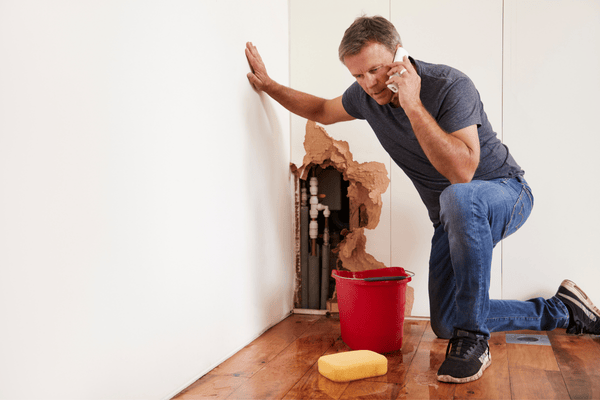
Burst pipes are one of the most common causes of sudden water damage in homes. A single pipe failure can release gallons of water within minutes, damaging walls, flooring, and personal belongings. In areas like San Antonio, TX, temperature changes, aging plumbing, and pressure buildup can all increase the risk. This guide explains what causes burst pipes, how to prevent them, and what to do if one happens.
What Causes Burst Pipes?
How Frozen Water Wreaks Havoc
When temperatures dip below freezing, the water inside your pipes can freeze. Unlike most substances, water expands as it turns to ice, creating immense pressure inside the pipe. If the pressure has nowhere to go, the pipe can crack or burst, particularly in weak or older sections.
Pipe material and location also play a role in their vulnerability. Metal pipes are prone to corrosion, while plastic pipes can become brittle in extreme cold. Pipes located in unheated spaces, like basements, crawl spaces, and attics, are especially susceptible to freezing.
Common Culprits: Plumbing Weak Points That Give Way
Certain factors make some pipes more likely to burst than others:
- Joints and Fittings: These areas are more prone to wear and tear, making them common weak points.
- Outdated Plumbing: Older homes often have pipes made from materials that degrade over time, like galvanized steel or lead.
- Improper Installation: Poorly installed pipes may not be equipped to handle sudden pressure changes, increasing the risk of failure.
Even a small weakness can escalate into a major problem under the right conditions.
Warning Signs Your Pipes Are at Risk of Bursting
Sounds You Shouldn’t Ignore
If your pipes are making unusual noises—banging, whistling, or gurgling—it’s a sign something’s not right. These sounds can indicate pressure buildup, trapped air, or loose components, all of which increase the risk of a burst pipe.
How Cold Spots on Walls May Spell Trouble
Do you notice cold spots on walls, ceilings, or floors near plumbing lines? This could indicate that the pipes inside are freezing. Ice or frost forming on exposed pipes is another clear warning sign that immediate action is needed.
Slow Drips, Big Risks: Small Leaks That Could Lead to Disaster
Even a minor drip can indicate a bigger issue. Small leaks weaken a pipe’s integrity over time, making it more likely to burst under pressure. Ignoring these drips can lead to significant water damage down the road.
Prevention 101: How to Keep Burst Pipes at Bay
Insulation Is Your Best Friend: Winter-Proofing Your Plumbing
Proper insulation is one of the simplest and most effective ways to protect your pipes. Foam sleeves, pipe wraps, or heat tape can help keep pipes warm in unheated areas. Pay special attention to exposed pipes in crawl spaces, basements, attics, and exterior walls.
Simple Tips for Winter Water Flow
During freezing temperatures, let your faucets drip slightly. This keeps water moving through the pipes, making it less likely to freeze. A small, steady flow of water can relieve pressure and prevent the conditions that lead to pipe bursts.
Proactive Plumbing Maintenance
Routine plumbing inspections can catch potential problems before they escalate. A licensed plumber can identify weak spots, recommend upgrades, and ensure your plumbing is in top condition. Regular maintenance is a small investment that can save you from costly repairs later.
Caught in a Crisis? Here’s What to Do If a Pipe Bursts
Turn Off and Tune In: Quick Action to Minimize Damage
The moment you discover a burst pipe, turn off your main water supply to stop the flow of water. If water has reached electrical outlets or appliances, turn off the power to the affected area to avoid potential hazards.
DIY or Call the Pros? When to Make That Emergency Call
While minor leaks can sometimes be fixed with a DIY approach, major pipe bursts require professional expertise. Call a plumber if:
- You can’t locate the source of the leak.
- Water damage is spreading rapidly.
- The burst pipe involves a significant section of your plumbing system.
At Sapphire Restoration, we’re available 24/7 to assist with emergencies, offering fast and effective solutions to protect your home.
For a DIY repair, check out this post from HGTV- How to Repair a Burst Pipe.
The Water’s Gone, Now What? Drying Out and Repairing the Damage
Once the burst pipe is repaired, the focus shifts to cleanup. Standing water needs to be removed immediately to prevent mold growth and structural damage. Use fans, dehumidifiers, and water-safe cleaning solutions to dry the area thoroughly.
If the damage is extensive, our team at Sapphire Restoration specializes in water damage restoration. We’ll ensure your property is dried, cleaned, and restored to its original condition.
The Cost of Neglect: Why Burst Pipes Drain Your Bank Account
Failing to address potential pipe issues can lead to high costs, including:
- Plumbing Repairs: Replacing burst pipes can cost hundreds to thousands of dollars.
- Water Damage Restoration: Flooded areas often require professional drying, cleaning, and mold prevention.
- Structural Repairs: Water can weaken walls, floors, and ceilings, leading to expensive repairs.
- Mold Removal and Remediation: Untreated water damage can result in mold growth, which poses health risks and requires costly remediation.
- Lost Belongings: Water damage can ruin furniture, electronics, and personal items, some of which may be irreplaceable.
Investing in preventative measures and regular maintenance can save you thousands of dollars and the stress of dealing with a water damage emergency.
How to Stay Ahead of Burst Pipes
Preventative maintenance and preparation are your best defenses against burst pipes. Here’s a checklist to keep your home protected year-round:
- Inspect your plumbing regularly for signs of wear or leaks.
- Insulate pipes in unheated areas before winter sets in.
- Know where your main water shut-off valve is located.
- Keep a plumber’s contact information handy for emergencies.
- Upgrade outdated plumbing to modern, more durable materials.
These steps can give you peace of mind and protect your property from costly water damage.
Protecting Your Home, One Pipe at a Time
Burst pipes can cause serious damage if not handled quickly, but most incidents are preventable with the right precautions. If you’re dealing with a burst pipe or water damage, Sapphire Restoration provides fast, reliable support in San Antonio, TX. Our team can help stop the damage, dry your property, and restore your home safely. Contact us today for immediate assistance.
FAQs
What is the main cause of burst pipes? Freezing temperatures and pressure buildup are the most common causes.
Can burst pipes happen in warm climates like Texas? Yes. While freezing is less common, pressure issues, aging pipes, and poor installation can still cause pipes to burst.
What should I do immediately after a pipe bursts? Turn off your main water supply and contact a professional to prevent further damage.