
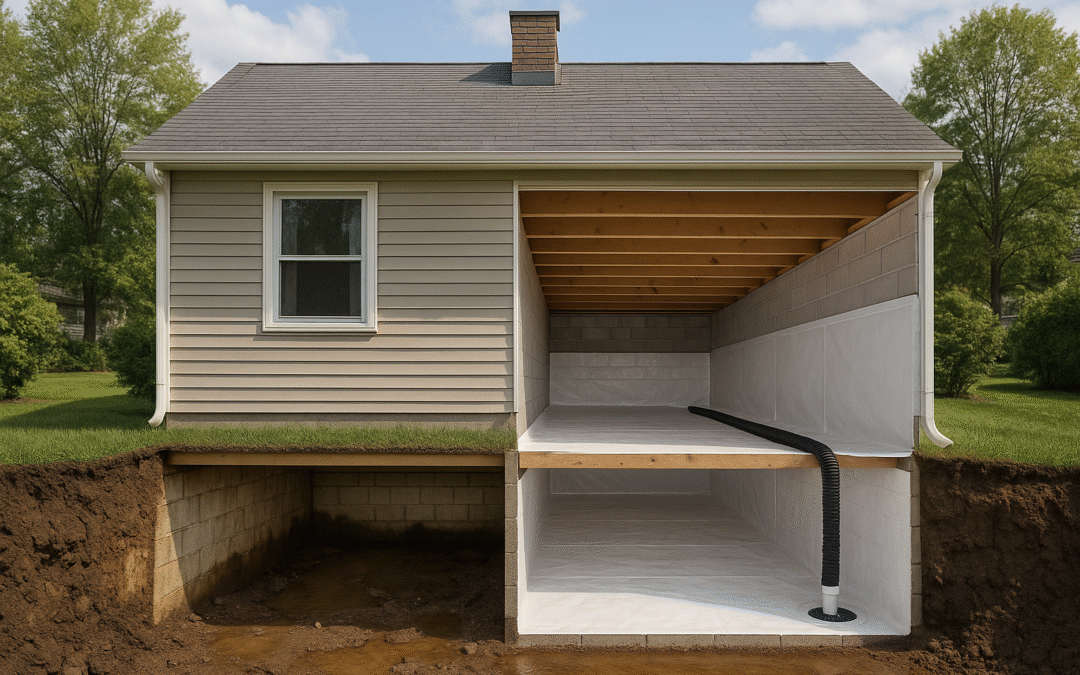
Water intrusion beneath your home remains a concern few think about until real issues arrive. Crawl space waterproofing is the protective shield keeping hidden moisture from turning into full-blown headaches. Mold, rotting wood, and air that seems heavier with every breath can all be traced beneath your floorboards. A dry crawl space forms the foundation of a healthy, lasting home. This article unpacks how moisture finds its way into crawl spaces and, more importantly, how best to stop it. Dive into the why, then discover practical strategies like vapor barrier installation and drainage solutions. Whether you are safeguarding a historic bungalow or a newly built property, this guide arms you with the solutions that matter.
Why Crawl Spaces Need Waterproofing
Crawl spaces present an opening for water to seep in undetected. In many homes, this area acts as a reservoir for moisture, which rises from bare earth or rushes in during heavy rainfall. The trouble starts quietly. Over time, the consequences become costly and unhealthy.
Moisture breeds mold and mildew. These culprits multiply fast, feeding on dampness and organic material under your feet. As spores drift up through the flooring, indoor air suffers. Odors linger, allergies flare, and the risks mount for those with respiratory illnesses. Anyone living above a wet crawl space experiences the impact with every breath.
Structure bears the toll as well. Prolonged dampness eats away at wooden supports and floor joists. Rot shrinks their strength, causing sagging or even collapse. Meanwhile, pests like termites and rodents find refuge in these humid hideouts. Every drop of water left unchecked sets forth a chain reaction that reaches far beyond the crawl space itself.
The importance of keeping crawl spaces dry cannot be overstated. Whether you live in an older home with exposed soil or a modern space with minimal clearance, waterproofing sets the standard for safe, lasting comfort.
Moisture Dangers Beneath Your Home
Water in a crawl space creates ideal conditions for problems to take root. Unlike basements, these low-clearance spaces often lack proper vapor protection. The result is a persistent tug-of-war between damp air and dry, healthy interiors.
Mold and mildew thrive on excess moisture. Give these spores a foothold, and they quickly spread. It is not just black stains on lumber or blocks either. Mold releases microscopic spores. These infiltrate air systems, settle on furniture, and irritate sinuses. Health risks rise for young children, seniors, or anyone sensitive to poor indoor air. Milder cases manifest as lingering coughs or headaches. Severe cases lead to chronic illness.
Beyond mold, structural decay becomes a serious threat. Joists, girders, and sill plates consist of organic materials that soak up water. Wood rot sets in, quietly softening these supports. Floors begin to creak, warp, or dip as damage grows. Left alone, repairs stretch into thousands of dollars. The crawl space is often the last place checked and the first source of trouble when fixing foundation issues.
Pests track in right behind the moisture. Termites love damp wood. Ants, beetles, and rodents crowd in as well. Standing water during heavy rains gives them a steady refuge. Once inside, these pests move upward, chewing wires, invading insulation, even bringing foul odors into living spaces above.
Air quality worsens over time. A significant portion of home air rises from the crawl space. If this area stinks of mold or decay, so will the rest of your home. This “stack effect” means every hour spent indoors is spent breathing the output of whatever lies below.
Understanding Vapor Barriers
Vapor barrier installation ranks as a front-line defense against crawl space moisture. Think of it as a tough, impermeable sheet. Placed directly over the soil, it forms a shield blocking ground water vapor from entering the air above.
The most effective vapor barriers use heavy-duty plastic, typically between 10 to 20 mils thick. The thicker the material, the better it resists rips and punctures from foot traffic during inspections or repairs. Quality materials prove their worth long-term, outlasting lighter, cheaper options.
Coverage functions as the real battle here. A vapor barrier must span the entire crawl space floor with enough width to be pulled up along each foundation wall. Overlaps are sealed tightly, typically with specialized tape. Seams must be overlapped generously. Pier bases should be wrapped, forming continuous protection around every structural element. No corner or edge left exposed.
The benefits go beyond blocking direct water. Vapor barriers stop soil gases from rising as well, including radon or unpleasant organic odors common to damp soil. The result is a cleaner, drier environment right beneath your feet. Proper vapor barrier installation sets the baseline for a long-term, protected crawl space and healthier living space above.
Drainage Solutions for Lasting Protection
Stopping leaks and moisture begins outside your home. Water only enters a crawl space if it has nowhere better to go. Managing drainage keeps both your foundation and crawl space dry.
Proper exterior grading is key. The soil surrounding your foundation must slope away from the house so that rainwater flows outward. Flat or sloped-in landscapes pool water at the perimeter, giving moisture easy access below. Adjusting grade requires moving soil, compacting it, and blending it evenly so puddles never form near your foundation walls.
Gutters and downspouts serve as your first barrier against roof runoff. When these clog with debris or fail to carry water far enough from the house, the crawl space takes a hit. Downspout extensions direct water several feet away, making it hard for even heavy rains to push water toward vulnerable crawl space openings.
Sometimes, exterior protections fall short, especially in regions with rising groundwater or heavy storms. Interior drainage solutions provide backup. One approach places a perimeter trench filled with drainage pipe along the inside of the crawl space foundation. This pipe collects seeping water and redirects it to a sump pit. A reliable sump pump then moves water out, far from your foundation. Pairing these features with a vapor barrier cuts moisture at every turn.
Consistent drainage maintenance keeps the worst weather at bay. Clean out gutters regularly. Ensure exterior soil stays properly graded. Test sump pumps, especially before storm seasons. Small efforts on the outside provide big relief underneath your home.
Controlling Crawl Space Humidity
Moisture does not just enter as liquid water. Humid air slips through cracks, vents, and unsealed doors. Once inside, this humidity fuels condensation, turning cold foundation walls or pipes into sources of continuous dampness.
Sealing crawl space vents sets the stage for controlling humidity. Classic building codes often required open vents to “air out” crawl spaces, but this approach can backfire. Humid summer air enters, cools below the floor, and sheds water vapor as droplets. The result is constant wetness, even if rain never falls. Modern approaches seal vents, using solid block-offs or heavy caulk to keep weather at bay.
Dehumidifiers designed for crawl spaces step in next. These units operate quietly, gathering excess moisture and draining it away from sensitive areas. Unlike standard room dehumidifiers, crawl space models handle large volumes and operate under cool, dark conditions where typical machines fail. Sizing is critical. A quality system balances energy use against square footage and anticipated moisture load.
Periodic monitoring makes this approach effective. Hygrometers placed at key points give readouts on moisture levels. Maintaining humidity between 30 and 50 percent keeps mold and decay out while protecting wood and insulation in the space. Consistent humidity control, paired with vapor barriers, creates a dry, healthy environment for decades.
Common Waterproofing Mistakes
Crawl space waterproofing, while straightforward in principle, falls short when executed carelessly. One of the most frequent errors is underestimating the quality of materials needed. Thin, bargain vapor barriers may look sufficient on paper, but puncture easily during maintenance or from sharp rock beneath. Once breached, moisture sneaks back in, undoing your investment.
Partial coverage ranks close behind as a troublemaker. If a vapor barrier stops short or seams do not receive a watertight seal, water will find a path. Every gap, no matter how small, forms a funnel for moisture and soil gases to invade. Full coverage of the base and up all foundation walls is the standard. Pier bases often go uncovered, making them a favorite entry point for dampness.
Ventilation mistakes arise too. Some homeowners hear about moisture problems and simply block all vents, hoping for a quick fix. This actually traps existing humidity in the space. The right balance involves sealing those vents, but always using dehumidifiers and regular monitoring afterward. If you have a crawl space lined with insulation, double-check that the insulation itself stays dry, or mold may grow inside hidden pockets.
Skipping routine inspections allows small leaks to evolve into major repairs. An annual visual check for condensation, musty smells, or pooling water can save thousands later. Watch for pest droppings since these hint at dampness attracting new visitors. Fixing flaws early delivers peace of mind all year.
DIY Waterproofing Versus Professional Solutions
Many homeowners tackle crawl space waterproofing themselves, armed with store-bought vapor barriers and determination. Some situations fit DIY projects well. If your crawl space stays mostly dry, the ground is level, and access is straightforward, installing a vapor barrier or sealing vents may require little more than persistence and time.
However, complicated problems demand expert solutions. When crawl spaces flood after storms, have steep slopes, or hide structural weaknesses, a professional eye picks up hidden threats. Moisture mapping, grading plans, and drainage installation go beyond most household toolkits. A reputable restoration or waterproofing company uses industrial-grade barriers, powerful sump systems, and precision sealing methods that remain out of reach for casual repairs.
Professionals often guarantee their work. This means costly mistakes or improper sealing fall under warranty, relieving homeowners from future surprises. Their teams also spot issues outside the crawl space, like foundation cracks or plumbing leaks, resolving moisture sources at their origin. Sapphire Restoration, for example, offers crawl space waterproofing as part of a suite of services addressing mold, water, and pest damage, ensuring every part of a home stays protected.
For safety, expertise, and lasting results, many homeowners opt for professional service, especially when previous efforts fall short or when persistent water problems threaten the structure.
Creating a Healthier Living Environment
Waterproofing your crawl space brings more than structural safety. Cleaner, dryer crawl spaces directly improve every moment spent indoors. Mold finds no hosting ground. Pests no longer have access to inviting, damp passageways. Air inside remains lighter, fresher, and far healthier.
Kids playing on living room carpets do not inhale the musty odor of hidden decay. Homeowners can rest easy knowing allergies or asthma are not triggered by spores wafting from beneath. Even the resale value of a home receives a boost. A certified dry crawl space impresses buyers and satisfies inspectors, setting your property apart in a competitive market.
Home energy costs can even decline. Moisture-filled crawl spaces encourage HVAC systems to work harder, fighting the effects of damp insulation and air. Dry foundations mean more efficient heating and cooling. Utility bills drop, preserving resources for every season.
Peace of mind comes standard. With vapor barriers, proper drainage, and real humidity control in place, you create security your family can count on. These defenses add value, comfort, and long-term savings, all from a part of the house rarely seen but always felt.
How Sapphire Restoration Helps
Sapphire Restoration specializes in solutions that last. Their team brings years of experience in crawl space waterproofing, water damage repairs, and full-scale restoration. They choose top-tier vapor barriers, professionally installed for maximum durability. Drainage plans fit the needs of each home, with careful grading, sump pumps, and redundant safeguards built into their system design.
Customers receive a thorough inspection before any work begins. Every crawl space is different. Sapphire Restoration tailors each approach, identifying hidden leaks, persistent dampness, and pest entry points others may miss. They handle everything from vent sealing to crawl space encapsulation, giving homeowners one less thing to worry about.
If mold or pests have already taken hold, Sapphire Restoration provides remediation, cleaning, and ongoing protection. Fast service, honest advice, and superior outcomes make them an easy choice for safeguarding your home for years to come.
To learn more about services, or to schedule a crawl space inspection, visit Sapphire Restoration today. Protecting your home starts from the ground up.
Smart Crawl Space Protection Begins Today
Waterproofing a crawl space protects more than wood and insulation. It supports the entire household. By blocking unwanted moisture, you stop decay, control pests, and keep air quality safe for loved ones. Methods like vapor barrier installation, exterior drainage, and smart humidity controls address every angle of moisture entry. Knowing which approach fits your home comes from understanding both the risks and solutions at your disposal. When you make crawl space waterproofing a priority, you invest in peace of mind that pays dividends for years to come.