
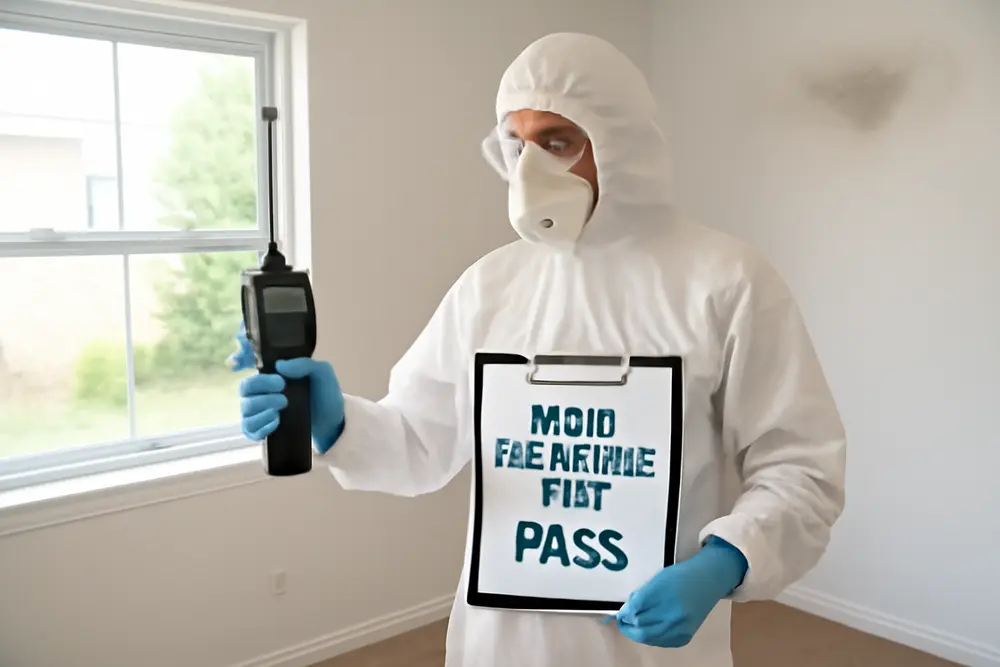
You paid good money to evict mold from your home, so let’s make sure it actually packed its bags. Mold clearance testing, also called post-remediation verification, is where a third-party pro comes in and checks the math on your cleanup. No guesswork, no “looks fine to me,” just data. If you want the straight story on how clearance works, what labs look for, the numbers you might see, and what to do if your place flunks the first go-round, you’re in the right place. I run a restoration company that cleans up the mess and I like my results verified by someone who doesn’t get a check from me. Call it accountability, call it quality control, call it CSI: Your Crawlspace.
What Is Post-Remediation Verification
Post-remediation verification is the independent inspection and testing that confirms mold removal and drying were done right. Think of it as the referee who reviews the replay before the game ends. A qualified indoor environmental professional or assessor who did not perform the remediation does the work. That separation matters because you do not want the same folks who swung the hammer grading their own test. The assessor inspects the remediated areas, measures moisture, collects air and surface samples, and compares indoor results to outdoor or control baselines. If the results are within acceptable criteria and the space is clean and dry, you get clearance. If not, you tweak, clean, dry, and test again.
Good PRV is more than waving a meter near a wall. It includes a visual check for residue and debris, verification that building materials are dry enough to stay mold-free, and sampling that tells you which spores are still hanging around. The objective is simple: your indoor levels should look like a normal, clean indoor space for your region and season, not a mold spa day.
How Third-Party Testing Works
Here is how a typical mold clearance testing appointment goes down. After remediation is complete and drying targets are hit, a third-party assessor schedules PRV. Containment may stay up while the check is performed, or it may be partially opened depending on the protocol. They start with a slow, methodical visual inspection of the remediated area and adjacent spaces, looking for settled dust, leftover growth, or work debris. They will verify that surfaces are visibly clean and that there is no odor or staining that suggests hidden moisture or mold.
Next comes moisture verification. The assessor checks wood, drywall, framing, subfloors, and sometimes concrete with moisture meters. They are confirming that materials are at or below accepted moisture content for your climate and building components. Wood commonly needs to be under roughly 15 percent moisture content, and porous materials pulled during demo must be replaced, not just dried, if they were contaminated beyond salvage. High humidity in the space can also trip you up. Most assessors want indoor relative humidity in a normal range before air sampling, usually under the mid-50s percent, because high humidity lets spores settle in and skew results.
Then they sample. Air samples are the headline act. The assessor typically takes multiple indoor samples in rooms that were remediated or that sit adjacent, plus at least one outdoor sample to serve as a control. Air cartridges collect a known volume of air, and a lab counts and identifies spores, reporting results as spores per cubic meter. Surface samples come next if the assessor wants to verify cleanliness on studs, sheathing, drywall, trim, or contents. They might use tape lifts or swabs. Some pros also sample HVAC returns or supply plenums if the system ran during contamination or if there is concern about cross-contamination.
Finally, you get documentation. A real clearance report states what was inspected, where samples were taken, what equipment and methods were used, the lab’s chain of custody, the results, and a pass or fail decision with next steps. Keep that report. It is your proof that the job was completed properly and it matters for insurance, resale, or just your own sanity when the next heavy rain shows up.
What Does Clearance Mean
Clearance means the assessor determined the cleanup reached the agreed-upon standard. That standard is usually written into the remediation protocol before work starts. If you are wondering, there is no single national number that magically means safe for every home. Instead, most assessors use a set of common-sense criteria that compare your indoor results to your outdoor baseline and established benchmarks. Here is what clearance often includes:
Indoor air results that are similar to or lower than outdoor levels for total spores and that do not show an indoor source of problematic species. In plain English, your living room should not be a bigger mold party than your backyard on the same day. For many protocols, total indoor counts are expected to be at or under outdoor and often under about 1,000 spores per cubic meter. For common water-indicator molds like Aspergillus and Penicillium, some PRV criteria use a target under roughly 200 spores per cubic meter. For heavy hitters like Stachybotrys, Chaetomium, Fusarium, Trichoderma, or Memnoniella, any detection indoors after remediation often triggers a fail and a recheck because those species point to a wet building history or current problem. Visual and moisture checks must also pass. If framing is still wet or you can write your name in dust on a sill, do not expect a pass.
Before anyone gets twitchy about numbers, hear this: your assessor’s protocol rules the day. Climate, season, and the outdoor baseline matter. A leafy, windy day can push outdoor levels higher, and your assessor will weigh that alongside species makeup and the direction of the results. The goal stays the same. No indoor source, clean surfaces, and dry structure.
| Sample Type | Common PRV Benchmark |
|---|---|
| Total indoor spore count | Often under 1,000 spores/m³ and not above outdoor baseline collected the same day |
| Aspergillus/Penicillium | Frequently targeted under about 200 spores/m³, depending on protocol |
| Indicator species with near-zero tolerance | Stachybotrys, Chaetomium, Fusarium, Trichoderma, Memnoniella detected indoors often equals fail |
| Moisture content | Wood under roughly 15 percent; other materials at or below manufacturer or industry targets |
Reading Your Lab Report
Your lab report will list spores per cubic meter for each species in each sample and may show percentages or relative abundance. Start with the outdoor control. That is your baseline. Compare each indoor result to that baseline for both total count and species mix. If indoor Aspergillus or Penicillium is dramatically higher than outside, or if indoor shows species that are rare or absent outside, the assessor will consider that an indoor source clue. If the total is a little higher indoors because a door was opened during sampling or someone just finished vacuuming, that may show as a bump but not an indoor source pattern. This is where the pro’s judgment is worth paying for.
Raw counts vs spores per cubic meter can be confusing. The lab often lists raw counts from what they saw on the slide and then converts to spores per cubic meter based on the air volume pulled. Always compare the standardized spores per cubic meter values. Watch the species list. Aspergillus and Penicillium can spike due to simple dust disturbance, but they can also signal persistent dampness in building materials, contents, or HVAC. Stachybotrys usually points to real water damage, often from leaks or chronic wet drywall, and it does not typically aerosolize far without heavy disturbance. If Stachy or Chaetomium shows up in a living room sample that should be clean, something is still off behind a wall or in a cavity.
Surface samples tell you whether the cleaning was actually thorough. A tape lift that finds hyphal fragments or clusters of spores on a remediated stud usually means it needs more HEPA vacuuming and wet wiping with a suitable cleaner. A negative tape on remediated surfaces, a neutral air sample, and dry materials is the trifecta you want.
Why Homes Fail The First Time
Plenty of good projects do not pass PRV on the first try. It is not a scandal, it is a signal. Here are the usual suspects we see when a home fails out of the gate. Residual moisture. The structure is still damp, or humidity is elevated from recent drying. Mold likes wet wood and paper. Until things are dry to target, spores and fragments will linger. Incomplete cleaning. Remediation removed damaged materials but skipped the gritty work of HEPA vacuuming and detailed wipe-down on every finished surface inside the containment and the immediate adjacent areas. Dust is a spore limousine. Hidden reservoirs. A bathroom leak soaked the wall cavity, but the tub surround or the vanity backing never came out, so growth remains and keeps feeding the air. HVAC cross-contamination. If the system ran during peak growth, or if returns were open to work zones, spores took a field trip into ductwork or the air handler. Containment breaches and timing. Doors flapped, negative air was shut off early, or the team cleaned and then immediately sampled, giving dust no time to settle. Occupant or contractor activity. Moving boxes, sanding, or even a heavy vacuum session right before sampling throws dust into the test area and can mimic an indoor source if the timing and patterns line up badly.
What To Do If It Fails
First, take a breath. This is fixable. Your assessor’s report should list exactly which areas failed and why. Work with your remediation contractor and the assessor to adjust the plan, not just repeat the same steps. Target the problem, then retest. If the failure is moisture-related, pause and solve the water source. That can mean fixing a leak, adjusting a drain, improving ventilation, or extending drying. Recheck moisture content until it hits target before you sample again.
If the failure is cleanliness, perform a meticulous cleaning sequence in the affected zones. That usually means HEPA vacuuming every surface from top to bottom, damp wiping with a suitable cleaner, and HEPA vacuuming again after it dries. Replace or thoroughly clean filters on negative air machines and vacuums. If the issue is a hidden source, consider targeted removal of suspect materials. Open the wall or ceiling area that lines up with indicator species, discoloration, or moisture meter anomalies. Address any insulation or framing that still carries growth. If the HVAC is contaminated, stop running it through the work area, seal returns during cleaning, and have the system and ductwork cleaned by a qualified company that understands mold projects, not just a coupon duct sweep.
After corrective actions, allow a quiet period before retesting. Many assessors like a 24 to 48 hour settling window with normal temperature and humidity to let airborne dust calm down. Schedule the retest and keep the environment steady. As for who pays for retesting or extra work, that should be in your contract. We spell it out before we start: if we missed something in scope, we fix it. If a new water event happened or a hidden surprise was discovered that was not in the original scope, we write a change order and keep going. Clarity beats finger pointing every time.
How To Pass On The First Try
Passing PRV is about planning, not luck. Before anyone calls the assessor, confirm that all water sources were repaired and that materials are dry to target. Do not rely on how warm it feels. Use meters, log readings, and document the day they hit range. Clean like your inspector owns a white glove. HEPA vacuum over every reachable surface in the containment area, then damp wipe with a cleaner designed for post-remediation cleaning, then HEPA again. Pay attention to wall tops, trim, sill plates, joist bays, and the underside of anything in a utility or crawl zone. If the HVAC was exposed, keep it off during cleaning and sampling or isolate the work zone from the system entirely. Replace return filters after the dust settles.
Stabilize the environment. Keep doors and windows closed during and right before sampling. Do not move furniture, run a shop vac, or host a toddler birthday party in the test room the morning of PRV. If you must do light daily living, do it in non-affected areas and give the test rooms quiet time ahead of the appointment. Make sure containment is intact if the assessor wants it left up for the test. Confirm that your protocol lists the pass-fail criteria everyone agreed to. When the bar is known upfront, the test is straightforward.
Questions To Ask Before You Start
- Who is performing the post-remediation verification and are they independent from the remediation contractor?
- What pass-fail criteria will be used for mold clearance testing in my project and climate?
- How many indoor and outdoor samples will be collected and from which rooms or systems?
- What moisture targets need to be met before sampling starts and how will they be documented?
- If my home does not pass the first time, what is the correction and retest plan and who pays for which parts?
- Will I receive a written clearance report with lab results, photos, and sampling locations mapped?
FAQs
How many samples do I need?
Enough to capture each remediated area, a representative adjacent space, and at least one outdoor control. Most homes end up with 3 to 7 air samples plus any needed surface samples. Large homes or multi-level jobs may need more. Your assessor decides based on scope and layout.
Can I stay in the house during PRV?
Usually yes, but keep test areas calm and doors closed while samples run. Skip vacuuming, laundry folding, or moving boxes in those rooms that day. The goal is a normal, steady environment, not a dust storm.
Is ERMI or HERTSMI a clearance test?
Those dust DNA tests are screening tools, not standard PRV methods. Most clearance protocols rely on spore trap air sampling, surface sampling, moisture verification, and a visual inspection. Your assessor may use additional tools, but traditional PRV is still the norm for pass-fail decisions.
How long until I get results?
Most labs turn results in 1 to 3 business days. Rush options exist if you are in a time crunch for a closing or insurance deadline.
What if outdoor counts are very high?
Seasonal spikes happen. Your assessor interprets indoor results relative to the outdoor sample collected the same day. If indoor levels are lower than high outdoor levels and the species pattern does not suggest an indoor source, you can still pass.
Do small jobs need clearance?
If materials were removed or there was a known mold problem, clearance is smart. Some states or insurers require third-party assessment and PRV above certain square foot thresholds. Small containment jobs still benefit from verification because it protects you from do-overs and protects your contractor from guesswork.
Keep Your Documentation
File your clearance report with the remediation scope, before-and-after photos, moisture logs, and invoices. If you ever sell, refinance, or handle an insurance claim, that packet tells the story clearly: a problem happened, it was fixed the right way, and an independent pro verified it. It also helps future contractors if any unrelated work opens those walls again. They will see that the structure was dry and clean at the time of closure and can troubleshoot anything new without blaming ghosts.
At our shop we build PRV into the plan from day one. We set clear targets, clean like we mean it, and invite a third-party to check our work. If you are shopping for a contractor, ask them how they handle clearance, who they like to work with on testing, and what happens if the first test does not pass. Straight answers now beat surprises later. Think of post-remediation verification as the final bill check for your home’s health. The math should add up.
Sources
Want to read more on standards and typical benchmarks referenced here? Try these:
Change The Air Foundation: Post-Remediation Verification
Why assessment and remediation must be separate
AET Inc.: Mold remediation FAQs and sample criteria
Municipal mold protocol with clearance targets
Clearance testing in real estate contexts
Common reasons PRV fails
Moisture fixes to prevent recurrence