
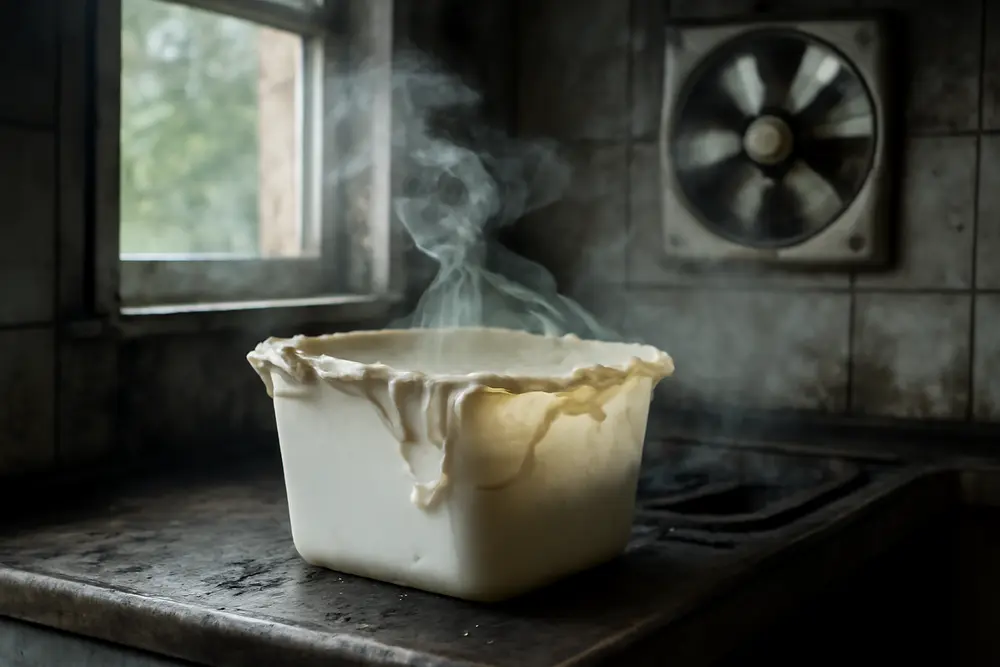
If you can still smell the fire every time the sun hits your plastic chairs or the dishwasher finishes a hot cycle, that isn’t nostalgia. That’s plastic off-gassing, and it’s your home’s way of whispering you’ve still got burned chemistry hanging around. Fire-warped plastics look a little sad and saggy, but the real problem is invisible. Heat scrambles polymer chains and cooks additives until they turn into volatile organic compounds that drift back into your air for weeks or months. I restore homes for a living, and here’s the straight talk on how to spot problem plastics, when cleaning is enough, and when it’s time to stop trying to save a ten-dollar bin that’s quietly gassing your house like a chemistry set gone wrong.
What Counts As Fire-Warped Plastic?
Fire-warped plastics aren’t just the ones that drooped like mozzarella. If heat changed the shape, the color, the hardness, or the surface texture, the plastic’s chemistry likely changed too. Look for buckling at edges, softened corners that now feel rubbery, glazed or chalky surfaces, blistering, tiny craze lines, or areas where soot fused into the surface. If a lid no longer fits, a clip won’t latch, or a faceplate suddenly bows, you’ve got heat deformation. Even a glossy plastic that now looks matte or “baked” is suspect, especially around scorched zones. Those cosmetic changes mean polymer chains have shortened and pores have opened, which gives off-gassing an easy exit route.
Why Does Plastic Keep Off-Gassing After A Fire?
Plastics are long-chain polymers stuffed with helpful and sometimes not-so-helpful roommates like plasticizers, flame retardants, and stabilizers. Heat breaks those long chains into smaller molecules that love to go airborne. That’s where the persistent stink comes from. Research shows heated polymers release VOCs and semi-volatile compounds as chains degrade and additives migrate to the surface. That includes harsh characters like formaldehyde, phenols, acrolein, and plasticizers that were once locked inside but are now on a prison break. If halogenated plastics like PVC were in the mix, you can also get acid gases such as hydrogen chloride. Different plastics smoke differently, but the theme is the same: after heat exposure, plastics can keep emitting, and warm rooms, sunlight, or appliance cycles re-trigger the smell.
For a deeper look at what burns out of plastics, see peer-reviewed work on thermal degradation of polymers and additive emissions at the National Institutes of Health and materials science journals. You can also check industry research on combustion byproducts and acid gases from plastic fires through NFPA. Those resources back up what your nose already knows: melted and heat-baked plastic doesn’t just look bad. It keeps talking.
Where The Sneaky Off-Gassers Hide
Anywhere plastic met heat, smoke, or hot gases, expect lingering emissions. Think appliance housings and control panels that got warm but didn’t ignite, fridge gaskets that now look wavy, range hood grease filters framed in warped plastic, scorched TV bezels, blistered light switch covers, and melted ceiling fan remotes. Toys and food storage containers love to hold smells if they got even slightly misshapen. The same goes for plastic-laminate furniture edges and kick plates. In garages and utility rooms, PVC pipe near a fire can look perfectly cylindrical yet be chemically toasted inside, and plastic battery packs or chargers that saw heat can puff or harden. If the item lives near a heat source after the fire, like a sunny window or a warm mechanical closet, it will advertise its problem every afternoon like clockwork.
Clean It Or Toss It?
You don’t have time for guesswork, so here are practical rules that match what the science and field results say. Cleaning works when heat didn’t change the plastic. Once shape or surface chemistry shifts, you’re usually throwing good cleaner after bad odor. When in doubt, test it warm. If it stinks hot, it’s not done off-gassing.
| Situation | Cleaning & Deodorization | Replace |
|---|---|---|
| Light smoke film only with zero warping or melting | Yes. HEPA vacuum soot, alkaline-clean, rinse, dry. Odor-control after cleaning is fine. | No. |
| Heat-affected with minor softening or color shift, still structurally intact | Maybe. Deep clean, then heat-challenge. If odor returns when warm, replacement is smarter. | Likely, especially for parts under stress like appliance panels, clips, or handles. |
| Any melting, charring, blistering, or soot fused into the surface | No. Cleaning won’t reverse chemical breakdown. | Yes. Expect ongoing emissions and possible failure under load. |
| Food contact items, baby gear, toys, medical-related plastics | No if any heat deformation or scorching is present. | Yes. The risk criteria are stricter. |
| Electrical parts, chargers, plastic junction covers with heat marks | No for anything heat-deformed. | Yes. Safety first and odor never fully clears. |
If you’re wondering how we pair cleaning with deodorization, it always starts with physical removal. We use HEPA vacuuming to capture soot, then an alkaline or detergent-based wash to break smoke residues, followed by a clean water rinse and thorough dry. Only after that do we consider odor-control methods like ventilation, hydroxyl treatment, or carefully managed ozone in unoccupied spaces. Odor treatment without source removal is just cologne on a campfire jacket. It might smell nicer for a day, but warm it up and the truth comes back.
Heat And Humidity Keep The Smell Alive
Warmth flips the volatility switch. If a deformed TV bezel or fridge gasket seems fine in the morning but reeks by late afternoon, the sun did the lab work for you. Higher humidity helps VOCs travel and makes burned residues sticky again. That’s why a plastic chair that smells fine in the garage suddenly stinks when it rides in a hot car or sits on a deck in July. Expect odor rebounds after hot showers, cooking sessions, or HVAC heat cycles. If you can reproduce the smell by warming the item with a hair dryer on low for sixty seconds, you’ve got continuing emissions, not just surface soot.
Cleaning That Actually Works
When plastics are only smoke-affected, the recipe is methodical and boring, which is exactly what you want. Dry-capture loose soot using a soft brush and a HEPA vacuum. Then wash with a mild alkaline cleaner or a smoke-specific detergent, agitating into grooves and seams. Rinse with clean water so you’re not leaving chemistry behind. Dry completely, which might mean a fan or gentle heat on cool plastics so moisture doesn’t trap odors. Now heat-challenge the item. Set it in sunlight or warm it briefly. If there’s no odor, you won. If there is, repeat once. Persistent odor after a proper two-pass clean is a neon sign that the plastic itself changed. Toss time.
A quick note on shortcuts. Fragrance bombs don’t fix polymer degradation. Ozone can oxidize odor-causing molecules, but it can also degrade some plastics further and must be used with strict controls and zero occupancy. Hydroxyl generators are gentler during longer runs, but they are still not a magic wand. Both belong after real cleaning, not instead of it. If you need detailed steps for full-fire restoration, Sapphire’s standard process outlines inspection, removal of non-salvageables, deep cleaning, and odor control in that order. That sequence isn’t negotiable if you want lasting results.
When Replacement Is Non-Negotiable
There are categories where we stop being sentimental. If the plastic is part of anything that carries electricity, supports weight, controls heat, or touches food or mouths, you’re replacing it at the first sign of heat damage. That covers appliance panels and bezels, dryer knobs, coffee maker tanks, HVAC thermostat housings, outlet covers that yellowed or warped, smoke detector bodies that got heat-baked, baby bottles and sippy cups, cutting boards, spatulas, pet bowls, and toys. If you see scorch on PVC conduit or piping, assume the chlorine chemistry changed and plan for replacement. Electronics with warped or sooty plastic cases can have hidden heat damage to internal components, so they go on the discard list too.
If you’re weighing cost, think long term. You can fight a smelly, heat-baked dishwasher door for months with cleaners and odor treatments and still be stuck every time you run hot cycles. Or you can replace the affected parts and stop aerosolizing old smoke chemistry in your kitchen. Insurance often covers non-salvageable fire losses when documented with photos and inspection notes, so save yourself the rinse-repeat.
Testing For Residual Off-Gassing
Want to be sure before you toss something? Use simple field tests. After cleaning, do a wipe test in a small area with an appropriate pH indicator to check for lingering acidic residues. If it still reads acidic after a thorough wash and rinse, you’re not done or the plastic is cooked. Next, do a heat-challenge sniff test. Warm the item with sunlight or gentle heat for sixty to ninety seconds and smell from a safe distance. Persistent sharp or sweet chemical odor means internal emissions are still happening. Pair that with an indoor air quality monitor in the affected room and watch for VOC spikes when the space warms up. If VOCs climb whenever the room or item heats, the source is still live. For complex losses, restoration pros can microvacuum soot for lab analysis or use photoionization detectors to map VOC hotspots. Homeowners don’t need lab gear to make smart choices, but the data can help when you’re arguing for replacement on higher-value items.
Real-World Scenarios
Kitchen flare-up singed the microwave’s plastic face and melted a vent grille. You clean it twice and the smell seems better until you run a three-minute test. The door gasket and grille heat up and a sweet-acidic smell pours out. Result: replace the door gasket and grille assembly. Keep the magnetron if it tested fine, but any warped plastic around the airflow path gets the boot.
Garage fire warms a rack of storage totes. They look normal in the cool morning but their lids no longer snap tight and the rims feel slightly pliable. You wash them, then put one in the sun. The burnt-plastic odor returns. Result: replace the affected totes, especially if they’re used for textiles. Don’t bother storing your clean holiday linens in a container that heats and stinks every summer.
Bedroom TV gets radiated heat from a hallway fire. The bezel has a faint wave and a matte patch where it used to be glossy. It smells fine off, but when the set runs for an hour, a plastic-phenolic odor shows up. Result: replace the unit or at least the housing if available. Heat-altered housings keep emitting every time the set warms, and there can be hidden component damage.
What About Ozone, Hydroxyl, And Sealers?
These tools play supporting roles, not starring ones. Ozone is powerful at neutralizing some odor molecules but can oxidize rubber and certain plastics and must be used in unoccupied spaces by trained techs. Hydroxyl generators can run in occupied spaces longer, but they’re also not a cure for cooked polymers. Use them after you’ve removed non-salvageables and deep cleaned hard surfaces. As for sealers, they’re great on building materials like fire-cleaned framing or subfloors to lock in stubborn odor. They are not a fix for consumer plastics. Don’t seal a warped plastic cabinet front or appliance fascia hoping to trap smell. That just traps problems in a surface that still heats and moves.
Protecting Indoor Air While You Decide
If you’re still sorting what’s salvageable, control your air. Ventilate when weather allows, and run a true HEPA air purifier near the affected area. Upgrade HVAC filters temporarily to a higher MERV rating that your system can handle without strain and change them more often while soot and VOCs settle out. Keep heat-shocked plastics out of sunny rooms, cars, and attics so they don’t gas you every afternoon. Bag obvious stinkers in polyethylene contractor bags and stage them in a garage or outside pending your decision. If lithium-ion batteries were involved in the fire, study up on the acid gas and residue risks and do not casually clean them in occupied spaces.
FAQ: Fire-Warped Plastics And Off-Gassing?
Can I save lightly smoked plastics with a deep clean?
Yes if there’s no warping or melting. HEPA vacuum, alkaline-clean, rinse, dry, and then heat-challenge. If it passes the warm test with no odor, it’s likely safe to keep.
Why does the smell come back weeks later?
Because off-gassing accelerates when the item warms up. Sunny days, hot cycles, and closed rooms re-activate volatile compounds that diffused to the surface.
Are VOC monitors worth it?
For homeowners, simple VOC and particulate monitors can help confirm whether a room keeps spiking. They won’t tell you exactly which compound is present, but trend lines are useful when you’re hunting a source.
Is ozone safe for my stuff?
Used correctly by pros in unoccupied spaces, ozone can help with odor control after real cleaning. It can also degrade some rubbers and plastics. If the item is already heat-damaged, ozone won’t restore it and may make it more brittle.
What about sealing plastic with shellac or paint?
That’s for building materials, not household plastics. Sealing a warped plastic part just makes a sticky sandwich of old residues under a coating that will crack and smell again when it heats.
Do I have to toss toys and food containers if they just smell a little?
If they saw heat and are misshapen or scorched, yes. Children and food-contact standards are higher for a reason, and minimal cost savings aren’t worth ongoing exposure.
Can professional cleaning save my appliances?
Sometimes. If the plastic housings weren’t heat-altered, a thorough clean and deodorization can return them to service. If any plastic warped or baked near airflow paths or heating elements, plan on part replacement or unit replacement.
How We Tackle This On Jobs
On fire losses, we start with the boring basics that work. We inspect for visible heat deformation and remove non-salvageables first so we’re not chasing ghost odors. Then we HEPA vacuum soot, use the right cleaners for residue type, rinse, and dry thoroughly. We ventilate and then layer odor control in the right order. That’s the backbone of our fire restoration workflow. Want the full outline from our shop’s perspective? Our fire damage restoration page lays it out plainly, and our assessment guide shows exactly what we look for when we call something non-salvageable. If you need the science behind persistent emissions, check the NIH-hosted review on polymer off-gassing, the MDPI analysis on toxic combustion products from plastics, and NFPA’s emissions work. And if your fire involved lithium-ion batteries, read up on acid risks before anyone wipes a thing inside the home.
Fire & Smoke Damage Repair | Assessing Fire Damage | Polymer Thermal Degradation & VOCs | Plastics Fire Emissions | NFPA Emissions Factors | HF Acid Risks After Li-ion Fires
If your house still smells like a melted junk drawer when the thermostat climbs, you already know which items are talking back. Cleaning saves plenty, but when plastics are warped, scorched, or suddenly perfumed when warm, replacement is the fastest path to clean air. Toss the chemistry experiments and keep the home. If you want us to sort the toss pile, we’ll bring the tests, the cleaners, and the blunt honesty.